XXXV General Assembly
November 20, 2026 / Explotación
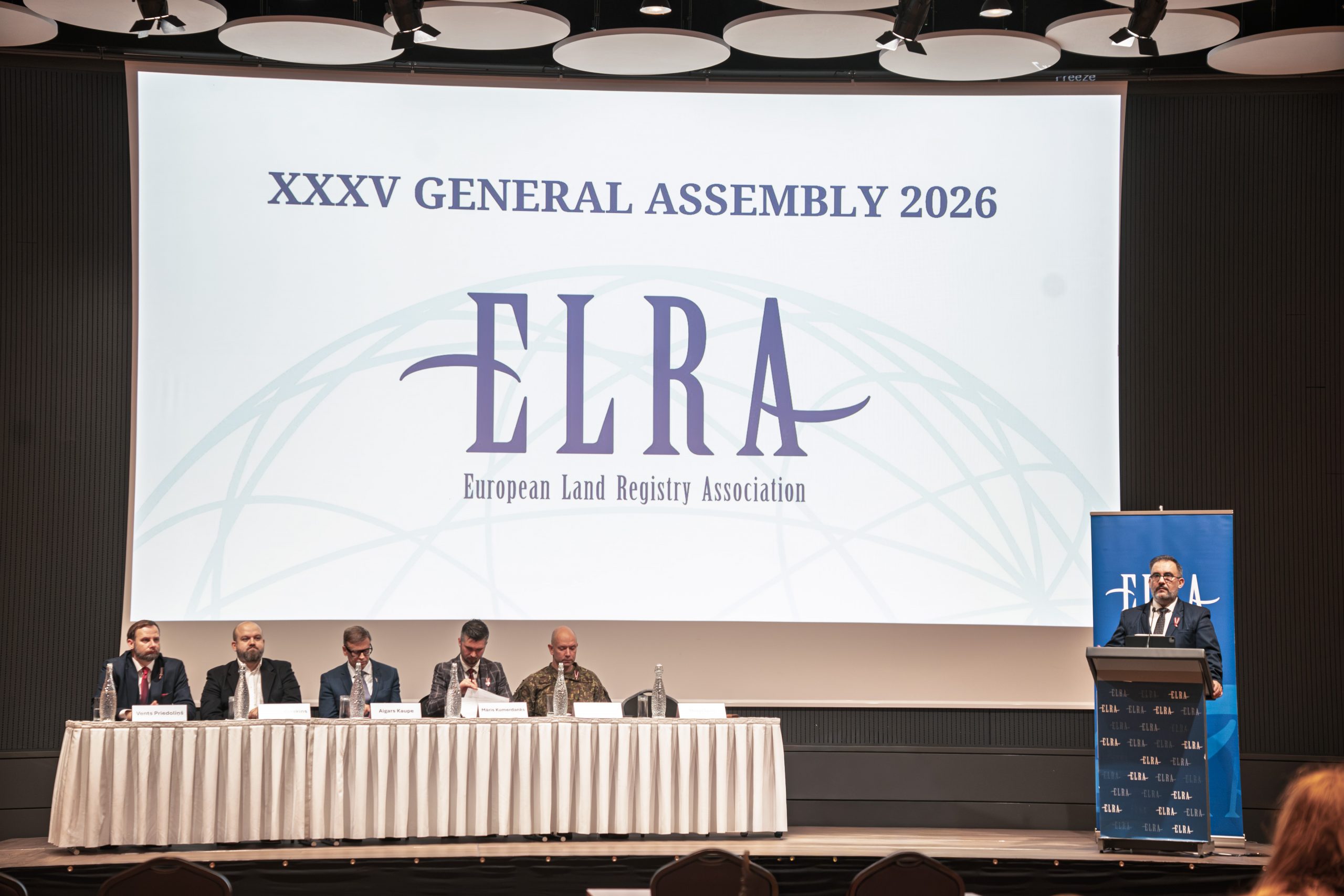
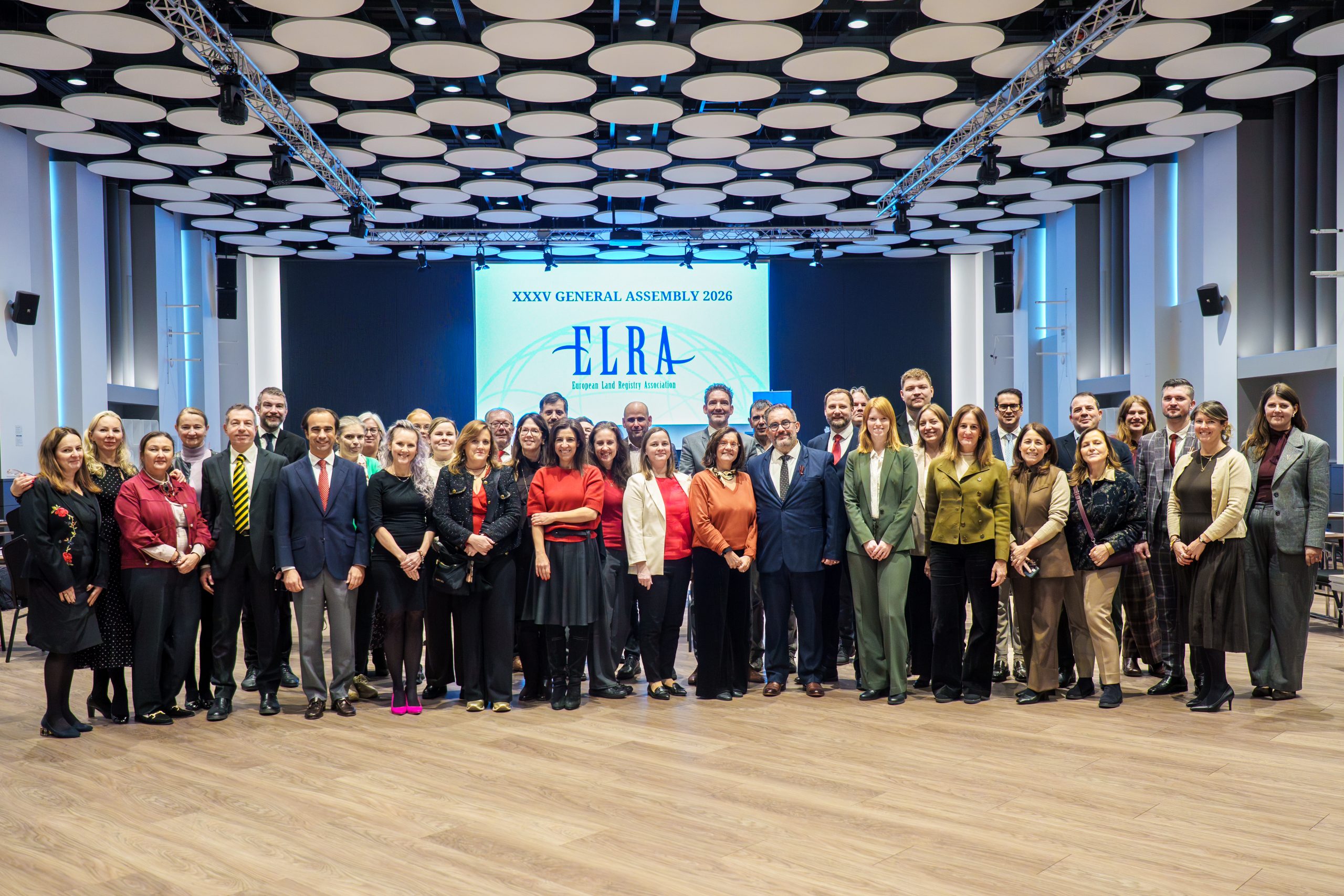
On 11 November 2026, the XXXV General Assembly of the European Land Registry Association (ELRA) was held in Jūrmala, Latvia, co-organised with the Court Administration of Latvia. The event welcomed representatives from European land registries, Latvian authorities and academic experts to discuss current developments in the sector, with particular attention to digital transformation, artificial intelligence and housing affordability.
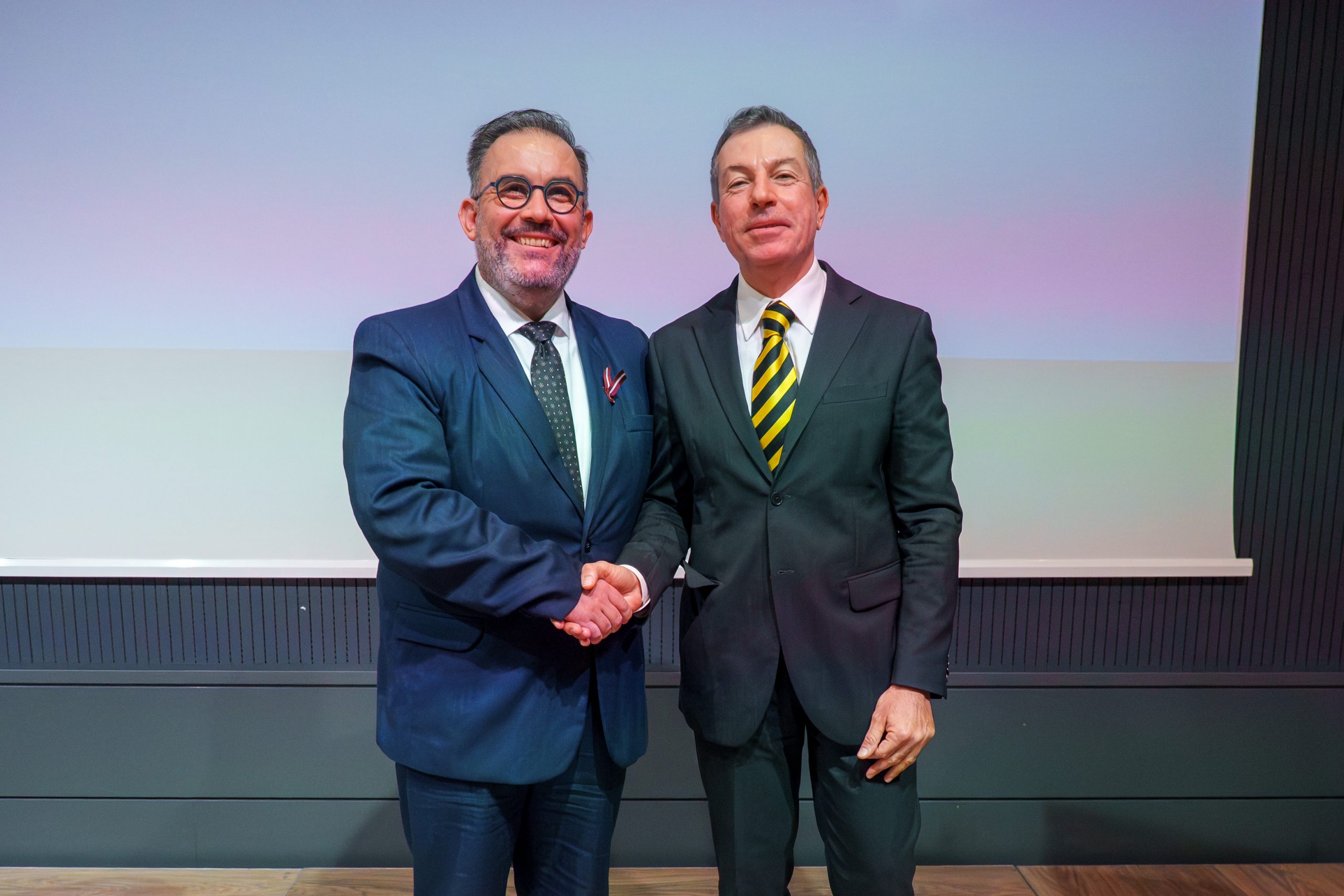
The General Assembly was officially opened by Mihai Taus, ELRA President, who drew inspiration from the historic Baltic Way to highlight the importance of European solidarity and the role of land registries in protecting property rights, ensuring legal certainty and maintaining public trust.
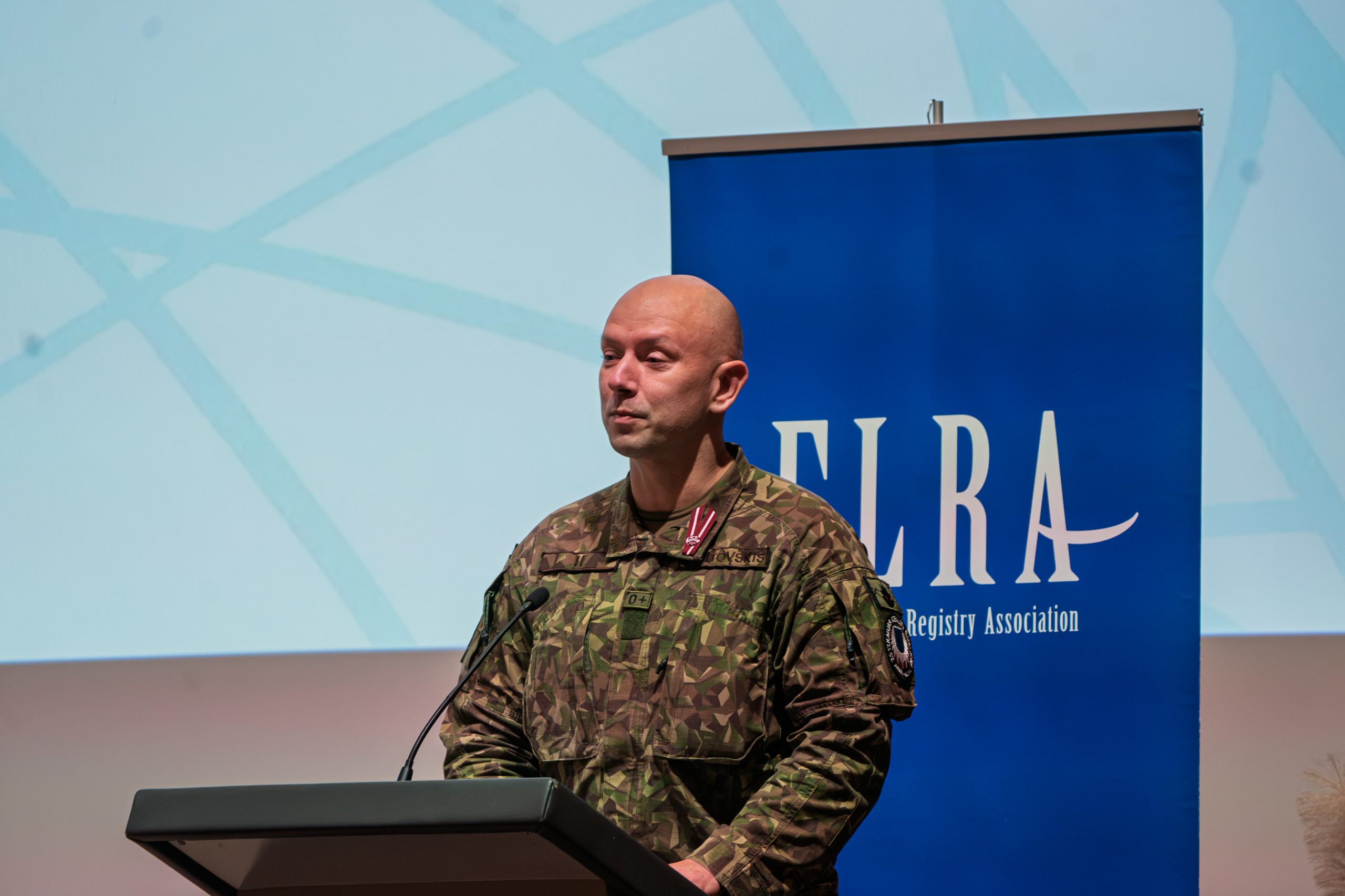
The significance of Latvia’s history was also reflected in the welcome address by Viesturs Vitovskis, Parliamentary Secretary of the Ministry of Justice of Latvia, who marked Lāčplēsis Day, a national day of remembrance honouring those who fought for Latvia’s freedom and independence.
Latvian Land Registration System
The first session focused on the Latvian land registration system, which provided an overview of recent developments and future perspectives through three presentations:
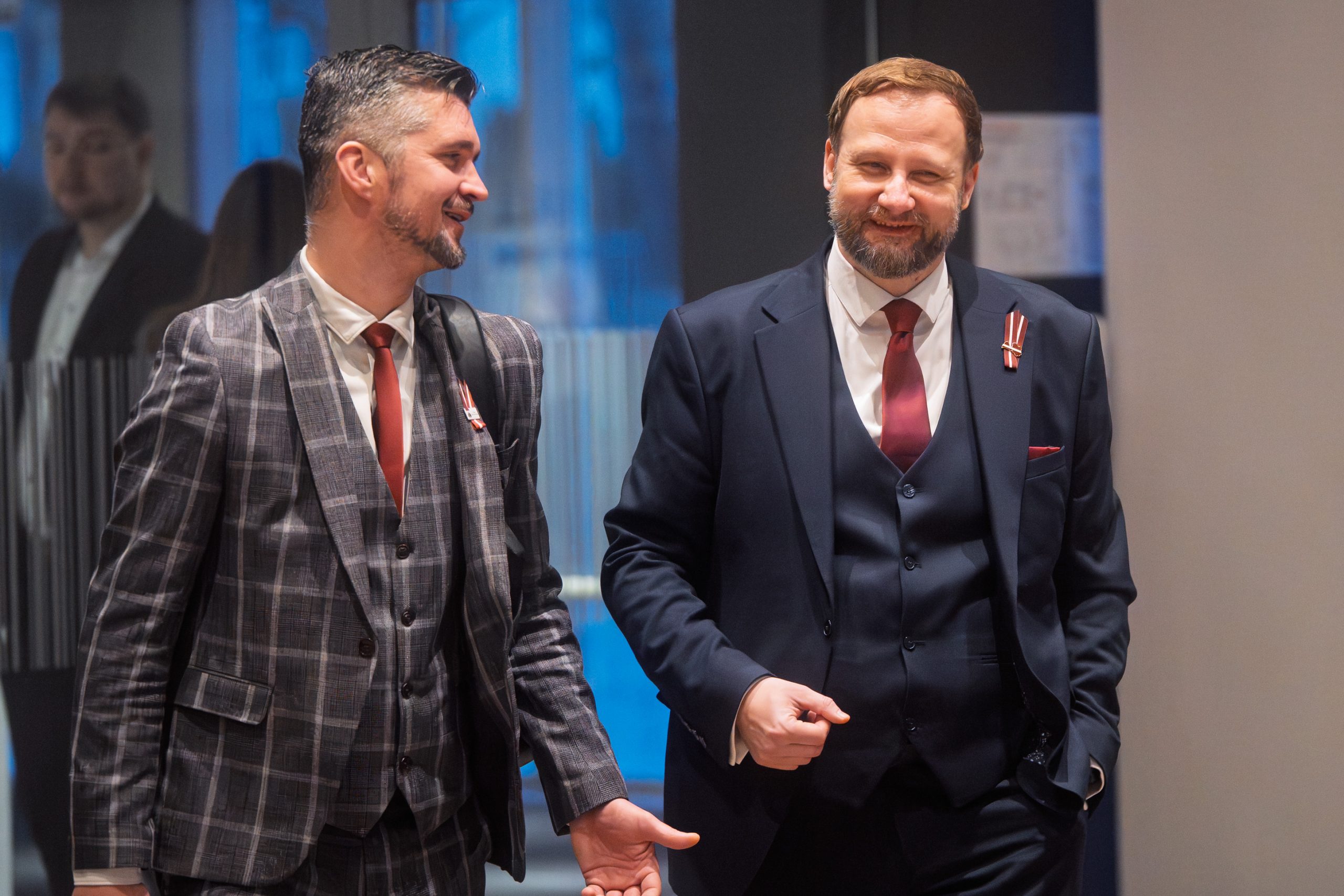
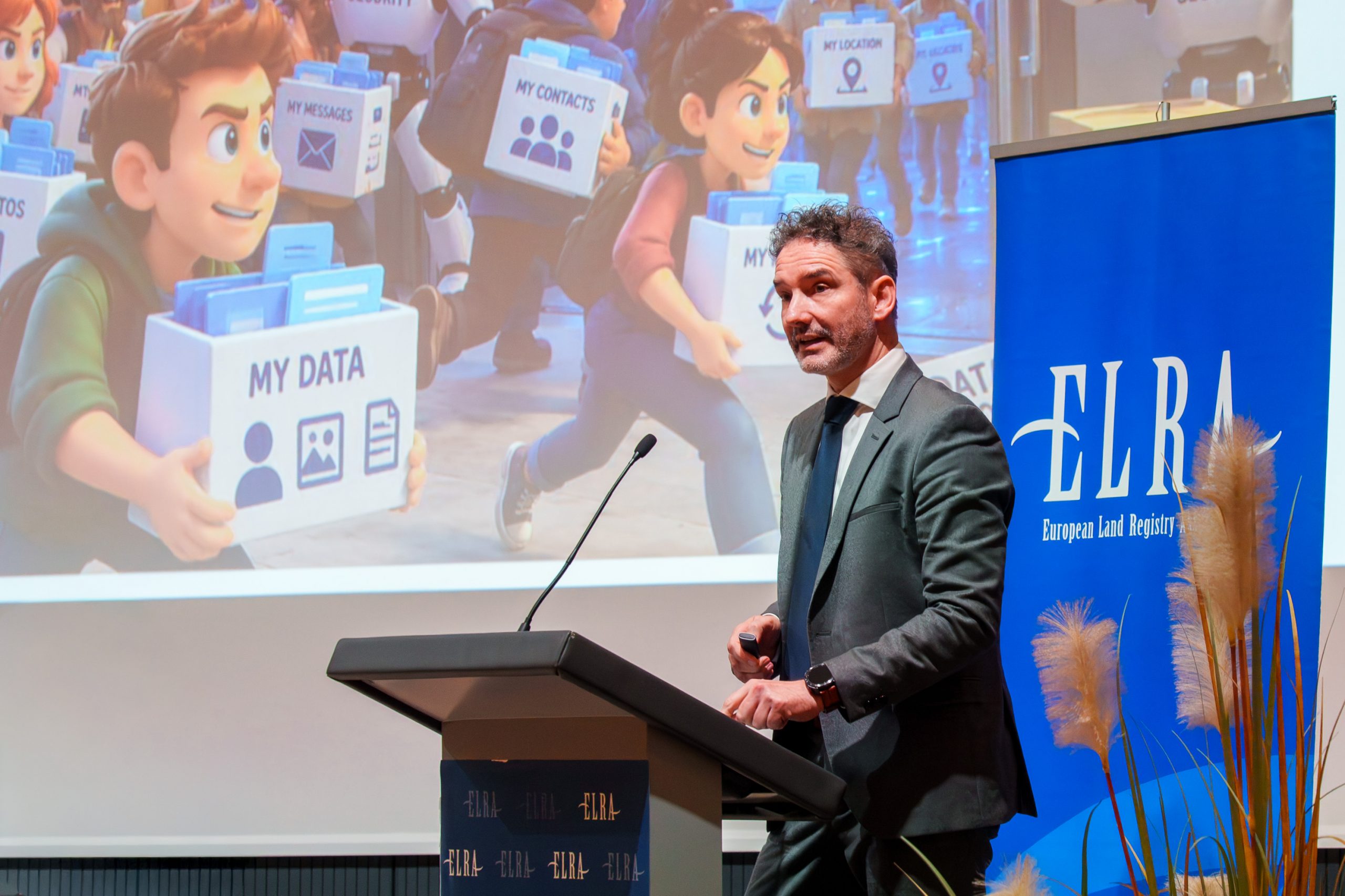
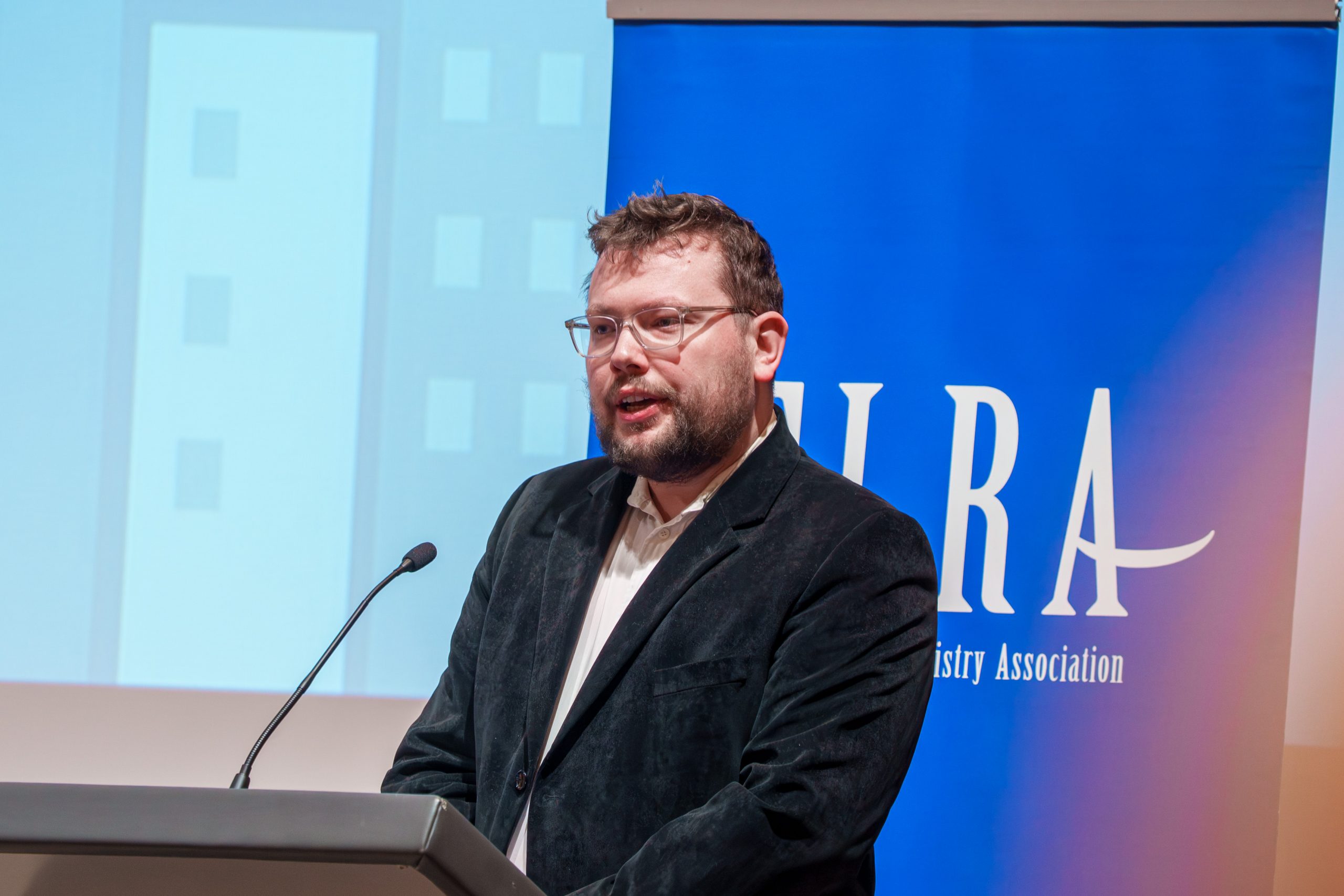
- Māris Kumerdanks, Director of the Information Systems and Technology Department at the Court Administration of Latvia, presented “From Digital Land Register to Digital Property Ecosystem”, addressing the digital transformation of land registration services.
- Aigars Kaupe, President of the Council of Sworn Notaries of Latvia, and Viktors Kurakins, IT Operations Manager, examined “The Role of the Notary in Real Estate Transactions: Security and Digital Solutions”.
- Vents Priedoliņš, Cooperation and Development Project Manager at the State Land Service of Latvia, introduced “One Seamless Service Across Three Agencies”, focusing on cooperation and integrated public services.
Panel Discussions
Two thematic panels explored some of the main challenges currently facing European land registries.
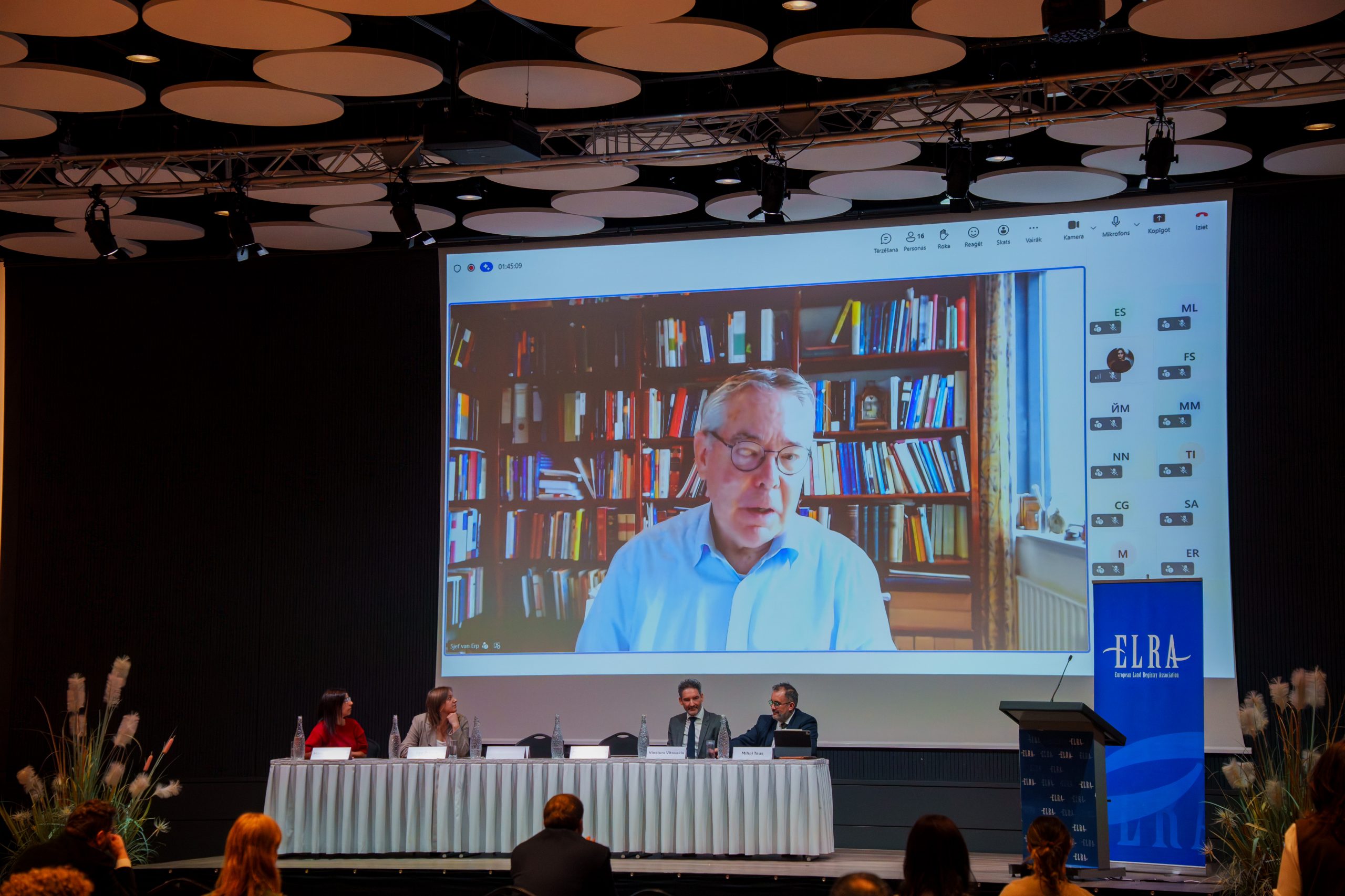
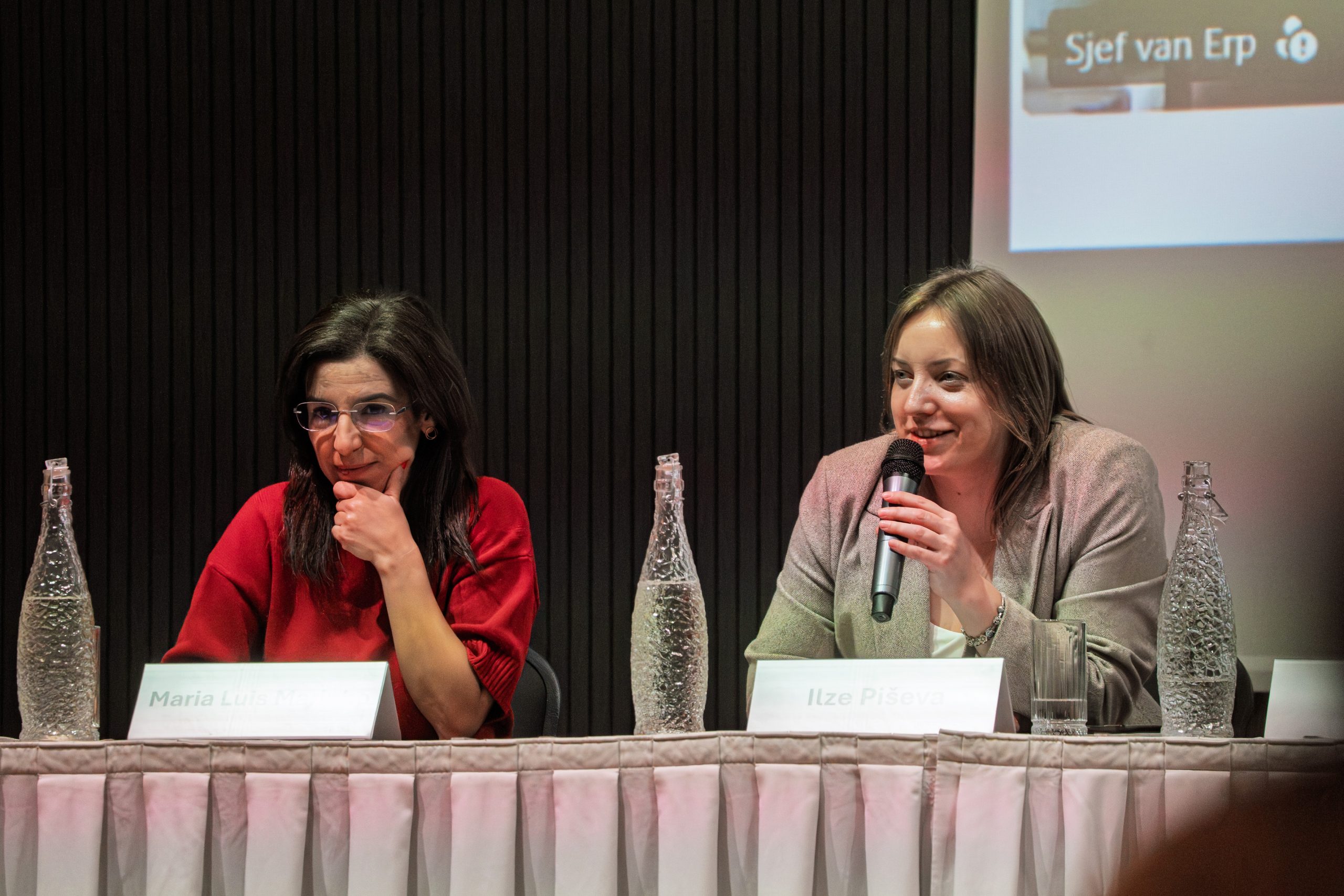
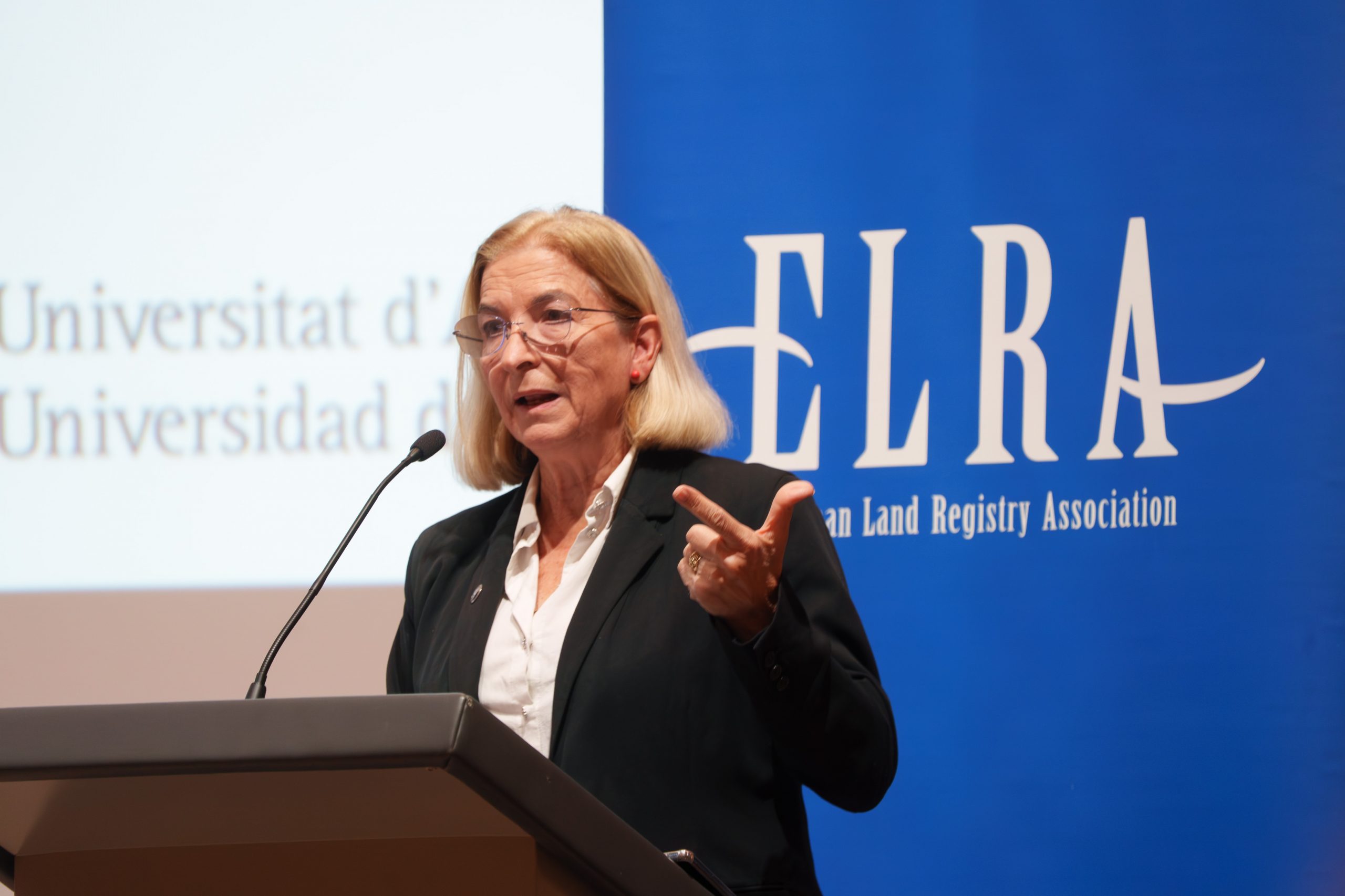
The first panel, “Artificial Intelligence in Legal Practice: High-Risk Uses, Safeguards and Human Oversight”, was moderated by Jacques Vos, Chair of the ELRA Artificial Intelligence Working Group. The discussion examined the implications of AI for legal practice, particularly the need for appropriate safeguards and human oversight. Panellists included:
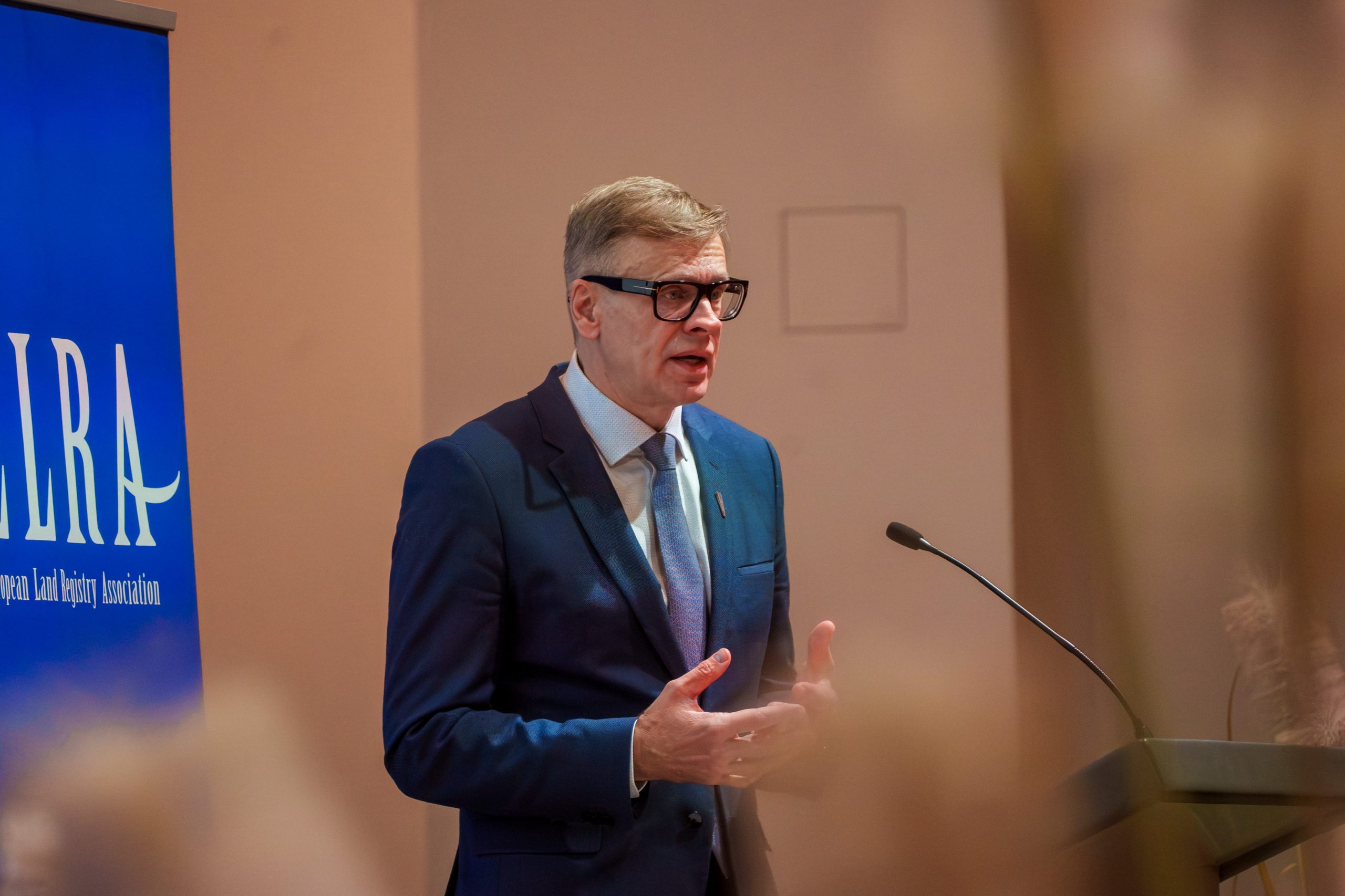
- Prof. Dr. Sjef van Erp, Emeritus Professor of Civil Law and European Private Law, Maastricht University.
- Ilze Piševa, Head of the Information Systems Development Division, Court Administration of Latvia.
- Maria Luis Marinho, Portuguese Registrar and member of the ELRA AI Working Group.
The second panel, “Affordable Housing in Europe: Policy Developments, Market Challenges and the Role of Land Registries”, was moderated by Elena Prada, ELRA Board Member. The session explored European housing policy developments, the factors influencing affordability and the potential contribution of land registries to addressing current challenges. Contributions were provided by:
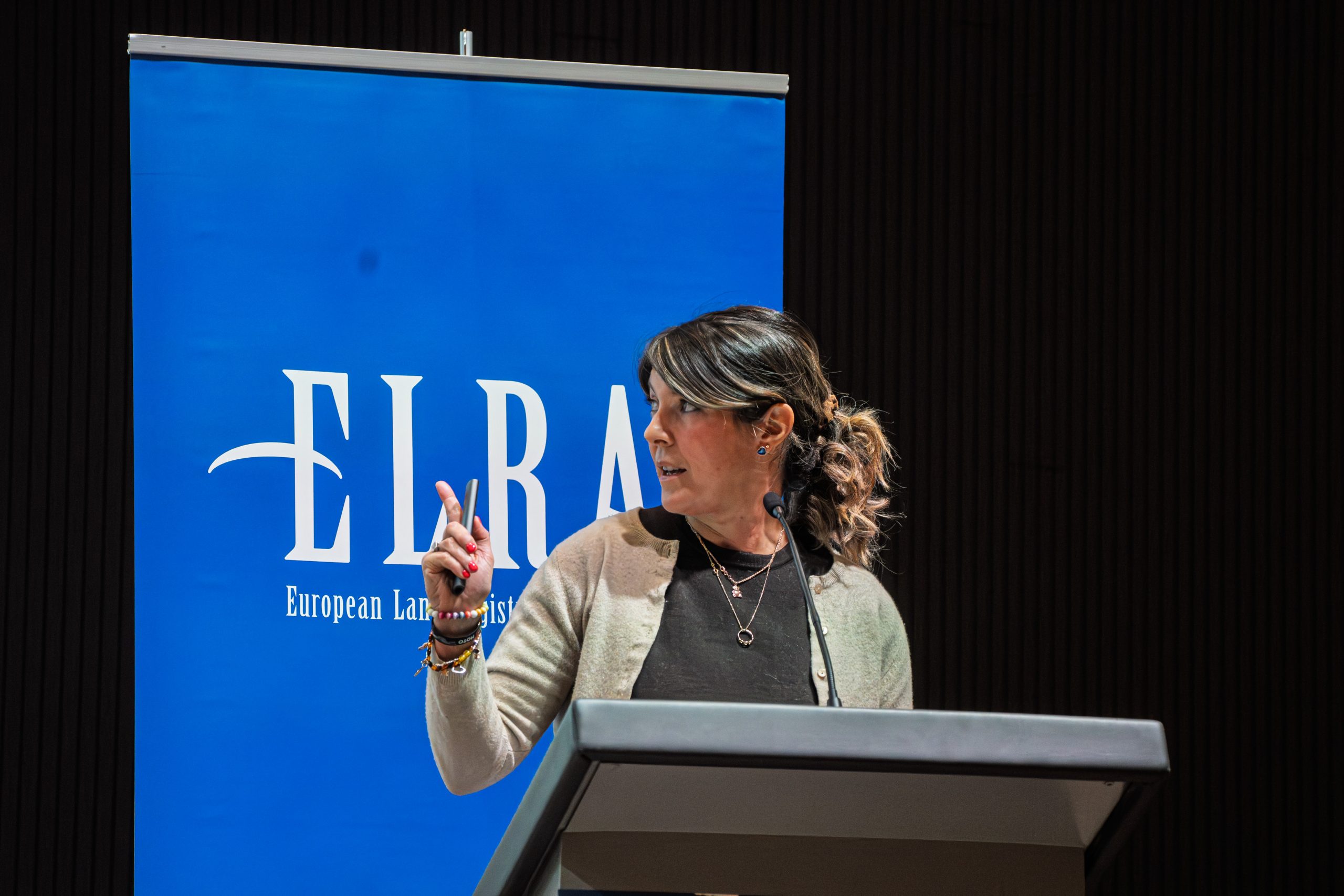
- Elena Prada, who presented the results of ELRA’s survey on speculation and recent developments in the European affordable housing agenda.
- Prof. Paloma Taltavull, Economist and Housing Market Expert, who examined housing affordability trends, market dynamics and their underlying drivers.
- Niks Balinskis, Senior Officer at the Housing Policy Department of Latvia’s Ministry of Economics, who discussed housing affordability challenges and policy measures in Latvia.
The afternoon session included a special moment: the official welcome of the Autonomous Region of Friuli Venezia Giulia as a new ELRA member, marked by the signing of the ELRA Members’ Book and a presentation introducing the new member to the Association.
Closing Remarks
The XXXV General Assembly concluded with closing remarks by Mihai Taus, ELRA President, reaffirming the importance of European cooperation in addressing emerging challenges and strengthening the role of land registries in safeguarding legal certainty, protecting property rights and maintaining public trust.