Workshops
ELRN Workshops 2026
Brussels 3 June 2026
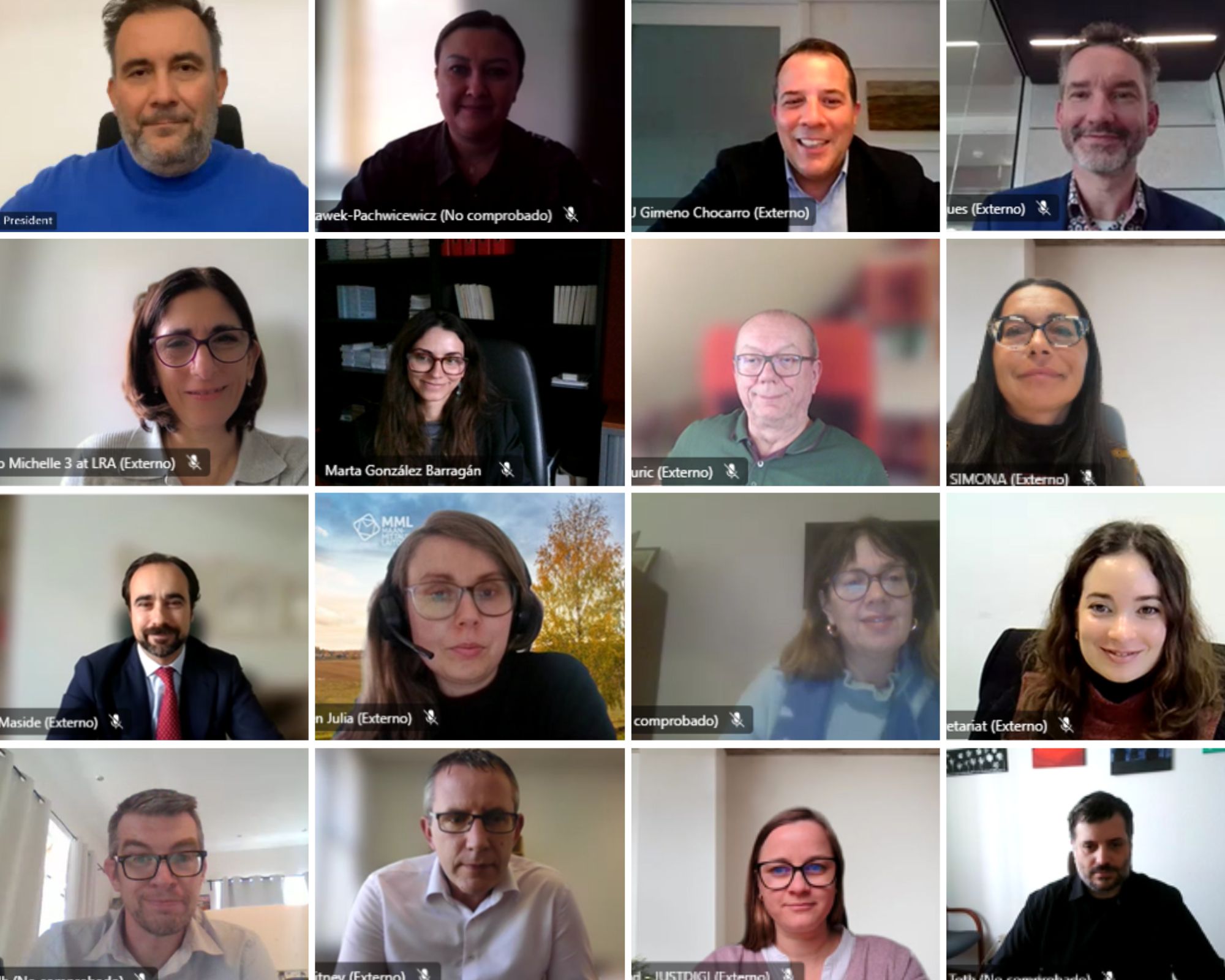
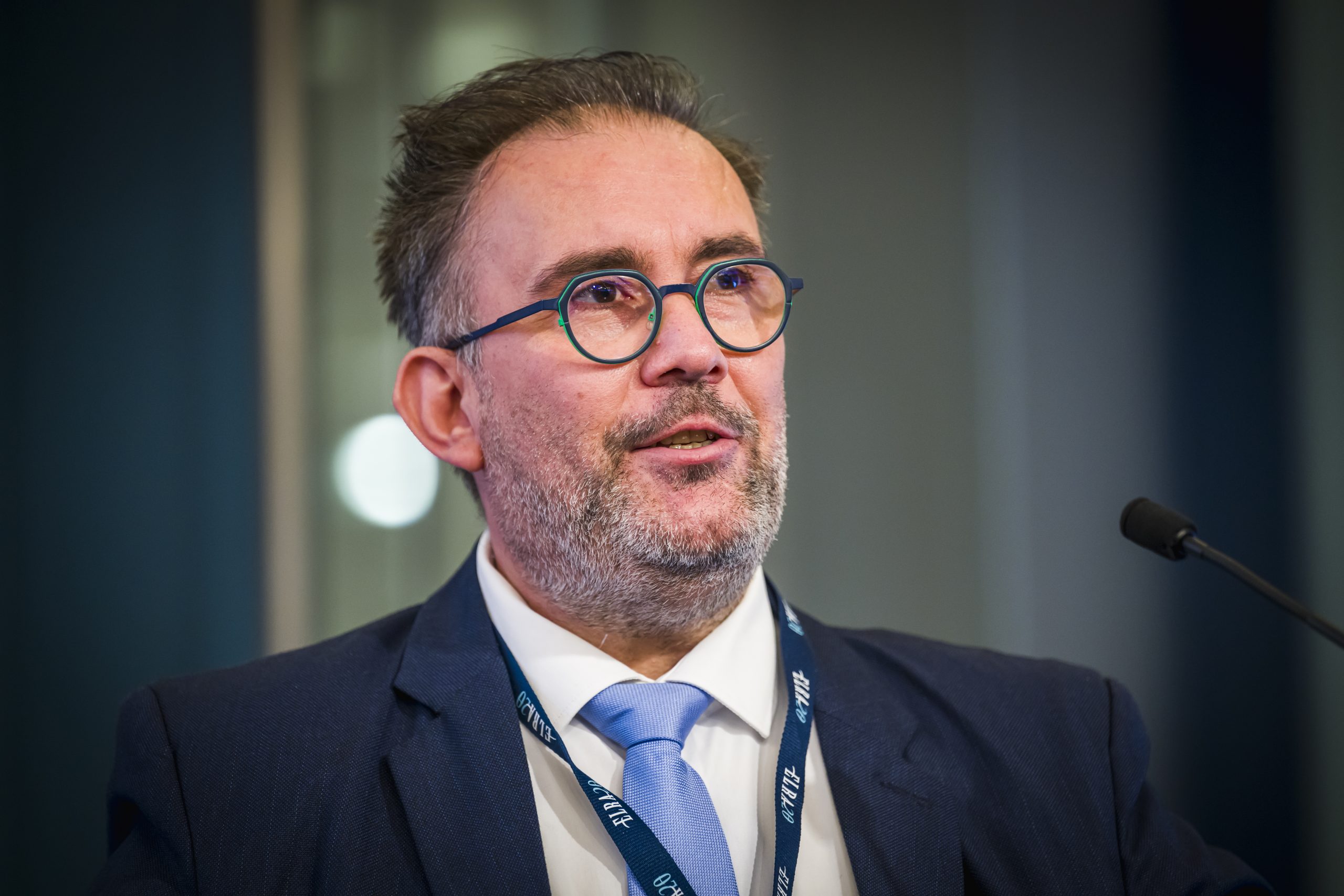
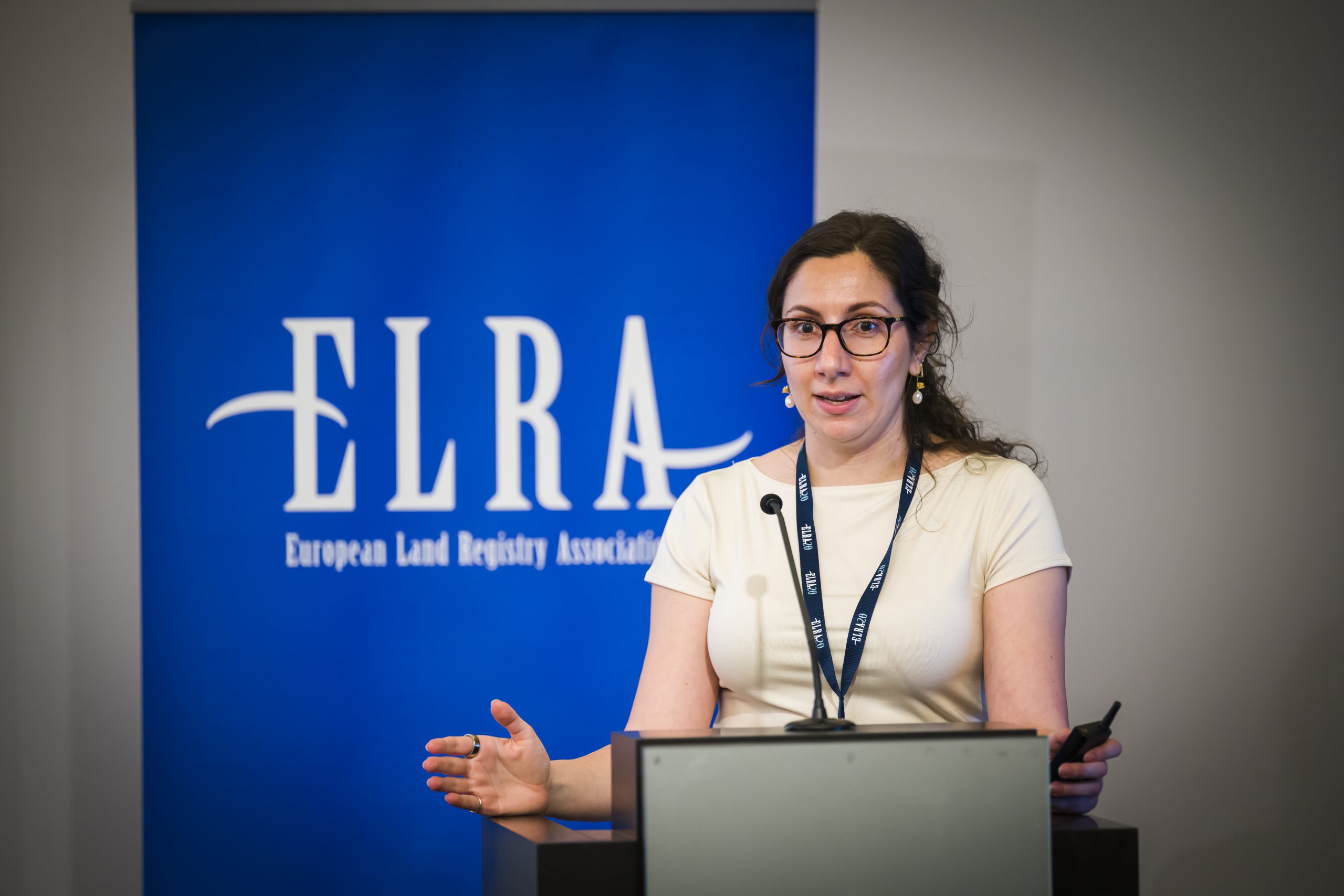
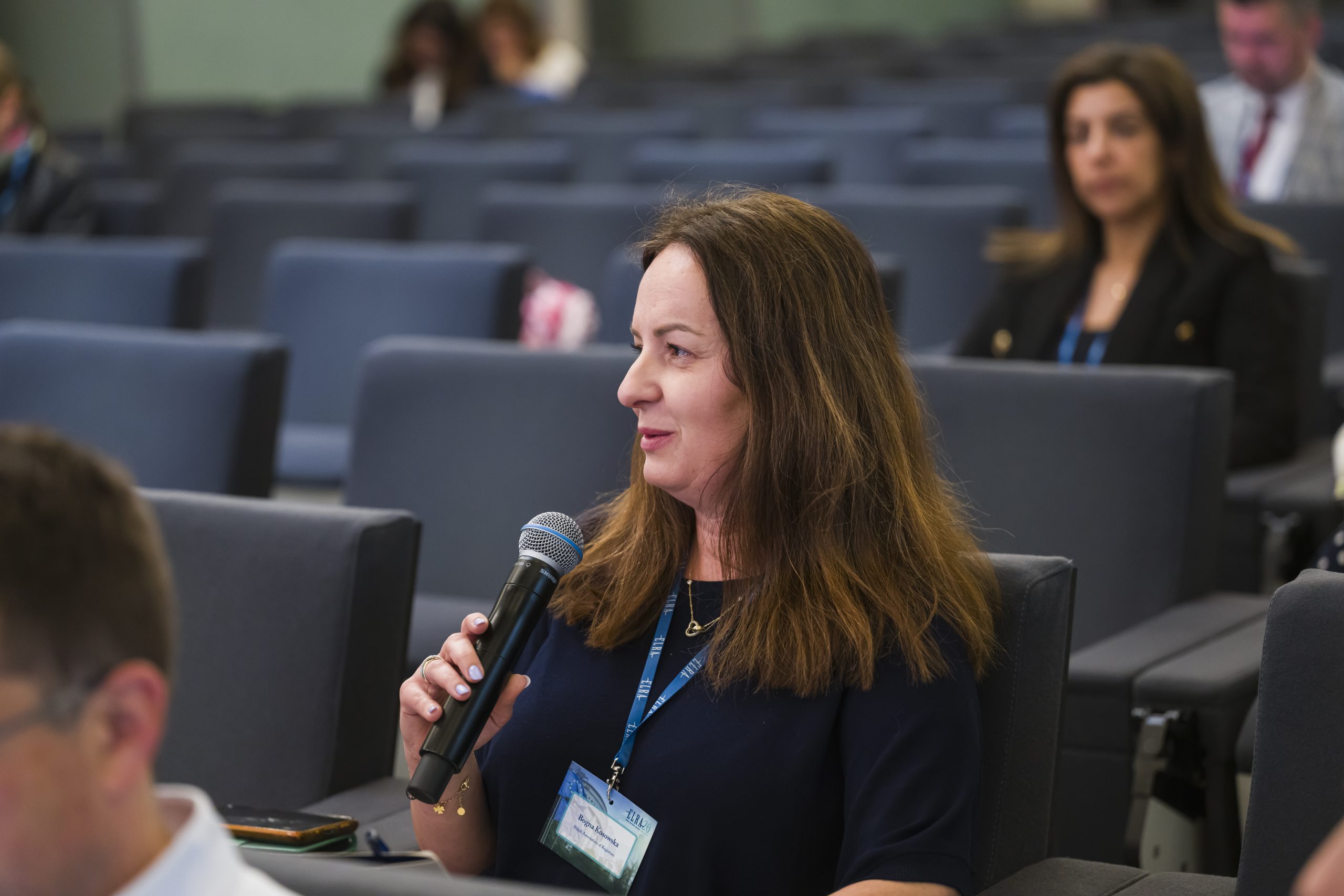
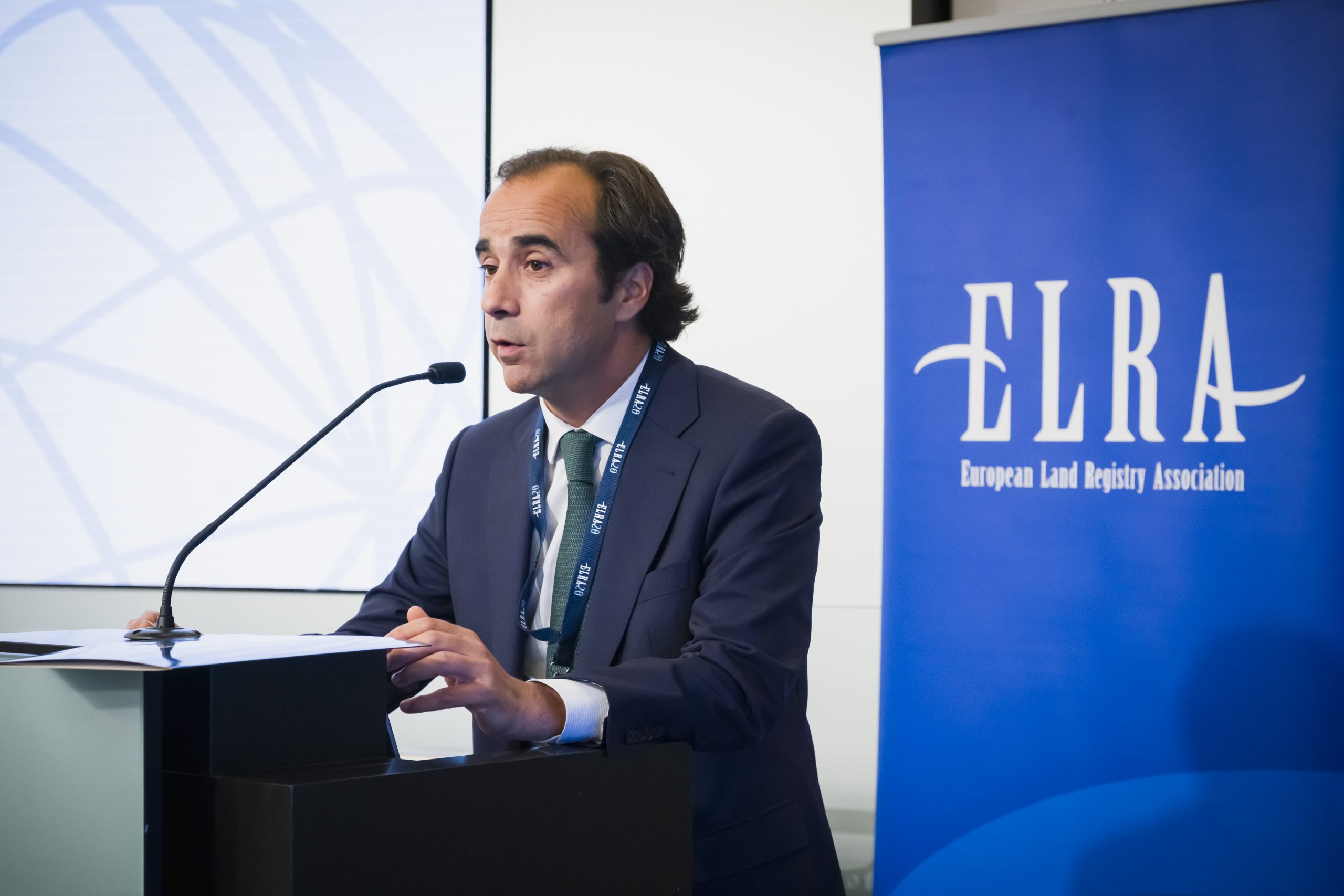
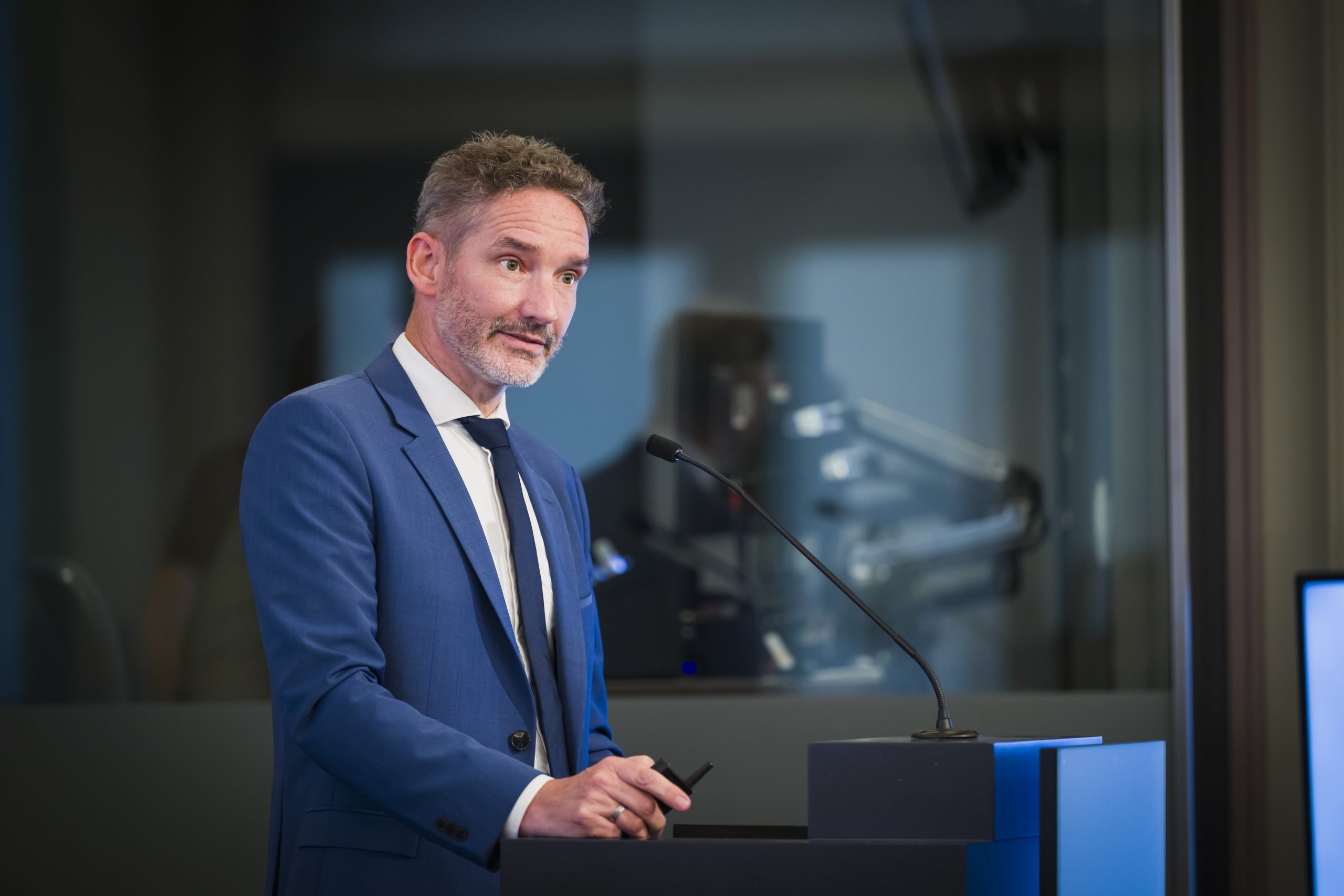
On June 3, ELRA hosted in Brussels, in a hybrid format, its second ELRN Workshop of the year, bringing together members of the European Land Registry Network for a full day of exchanges on the evolving role of land registries within the European Union.
ELRA President Mihai Taus opened the workshop by presenting the main objectives of the meeting and emphasising the key role of collaboration between national land registries in an increasingly interconnected European legal landscape.
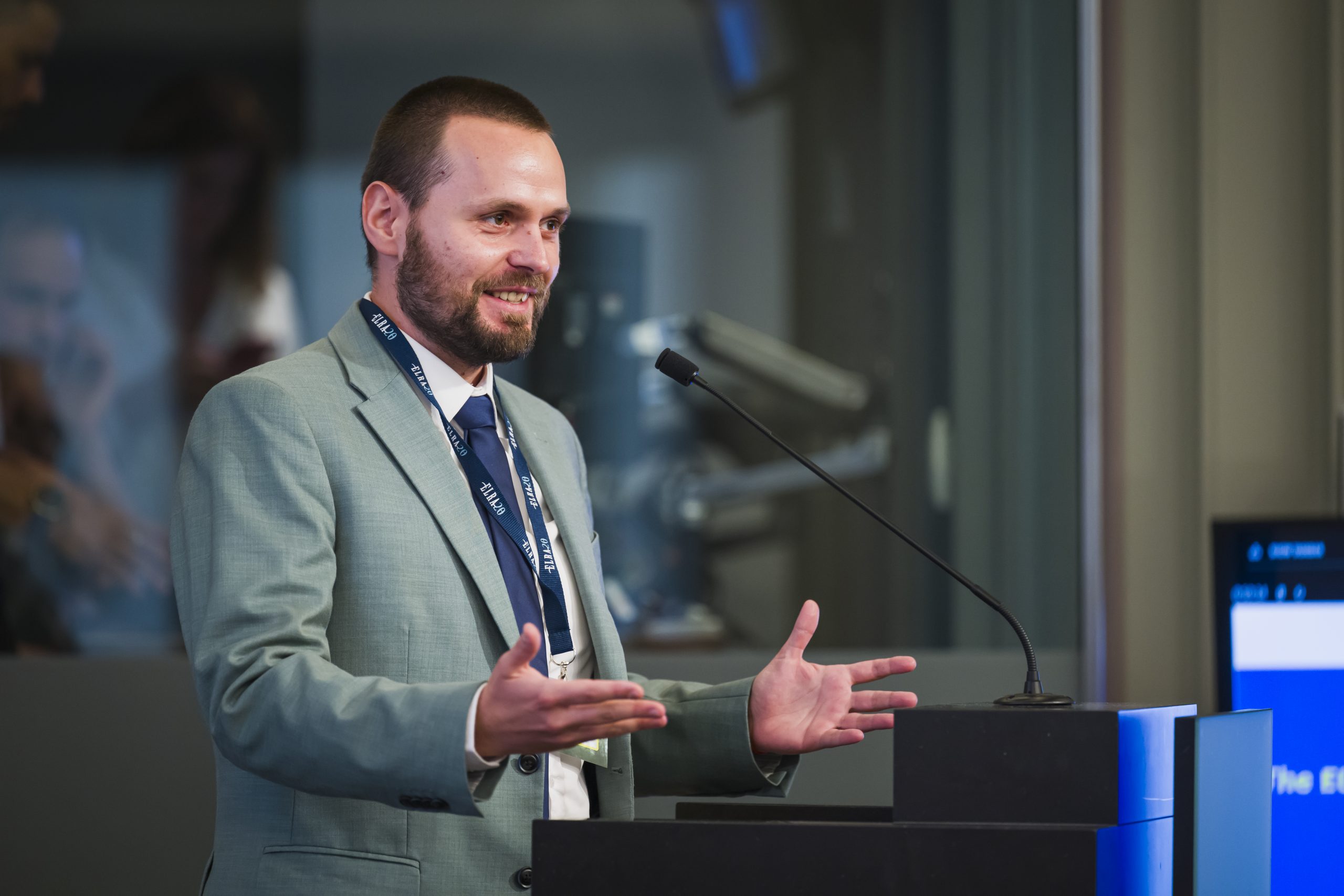
The opening thematic session, dedicated to “Registers as guarantors of legal certainty in property rights”, focused on the role land registries continue to play in ensuring legal security and public confidence in property transactions. President Mihai Taus provided an overview of the function of land registries in this context, followed by a presentation of the EU Justice Scoreboard 2025 by Georgi Ganchev, Policy Officer from the European Commission’s DG Justice.
European Affordable Housing Plan
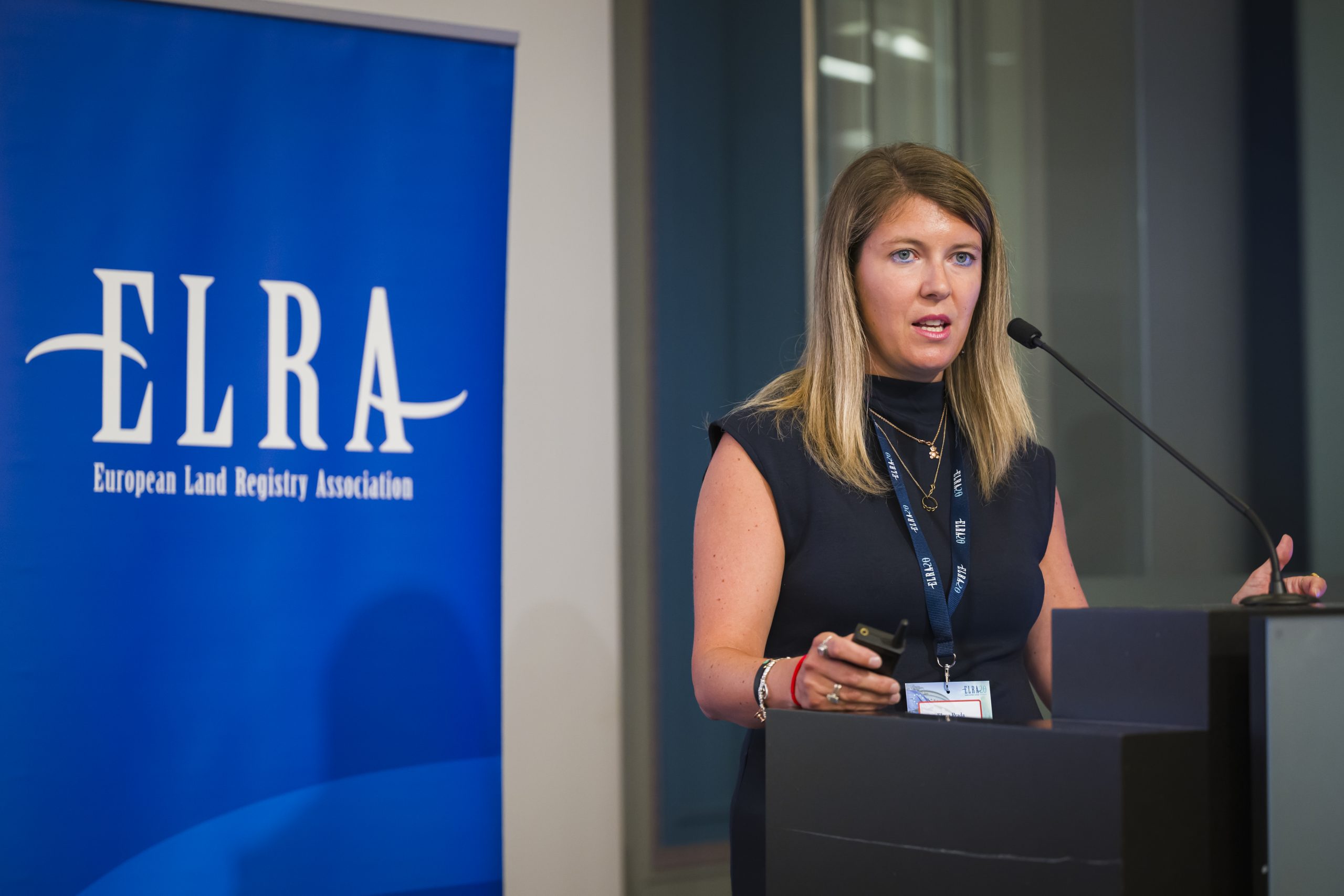
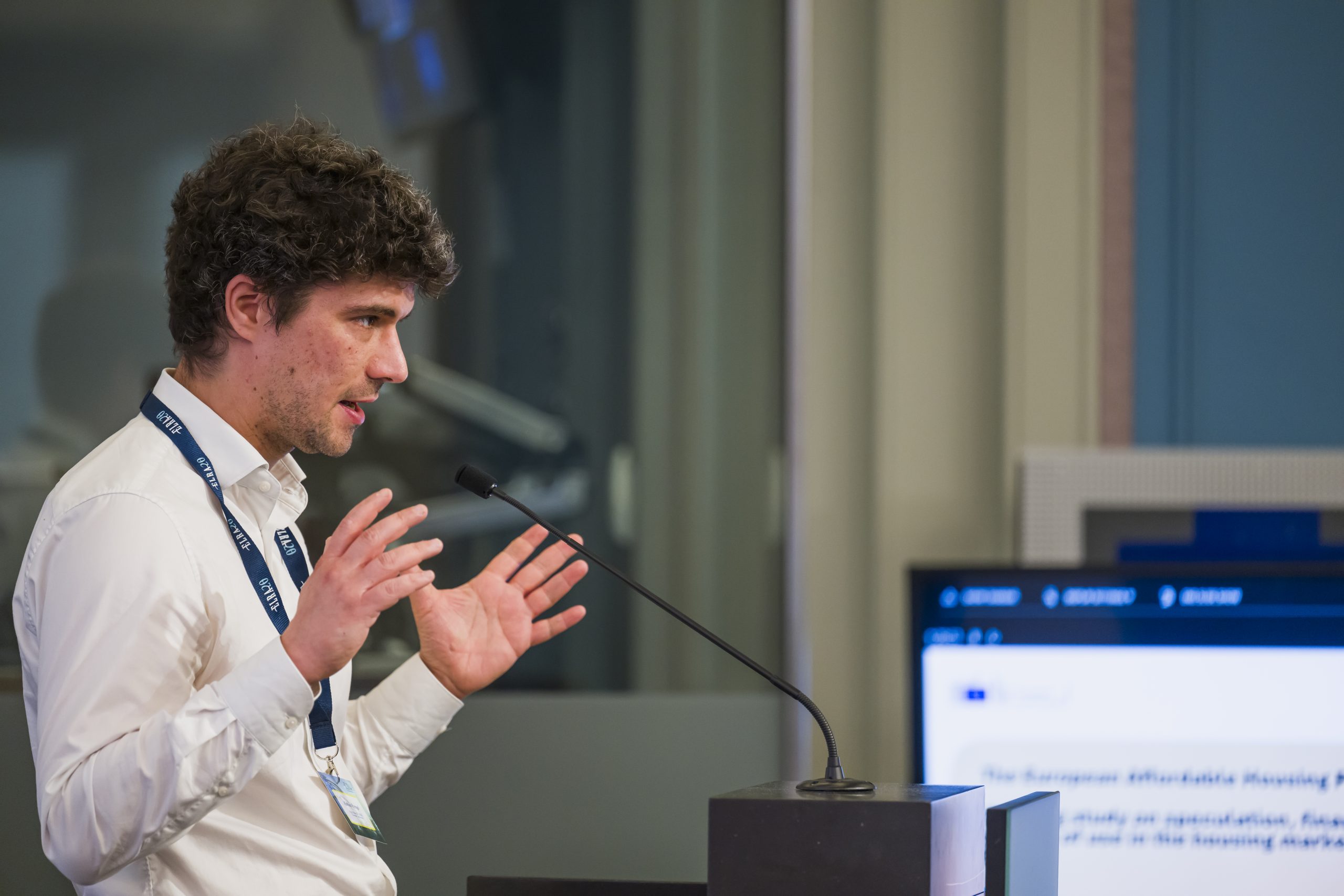
This second Workshop paid particular attention to the growing intersection between land registries and major European policy debates. Elena Prada, ELRA Treasurer, provided an update on the latest developments surrounding the European Affordable Housing Plan, while Mathieu Prengel (Policy Officer, DG ENER – Housing Task Force, European Commission) examined the impact of speculation, financialisation and changes in use within European housing markets.
Free Circulation of public documents in EU
Cross-border cooperation within the EU was another important theme of the day. Francisco J. Gimeno (Colegio de Registradores de España), presented the conclusions of a comparative study on the registration of cross-border divorces in land registries among ELRA members.
European Certificate of Succession
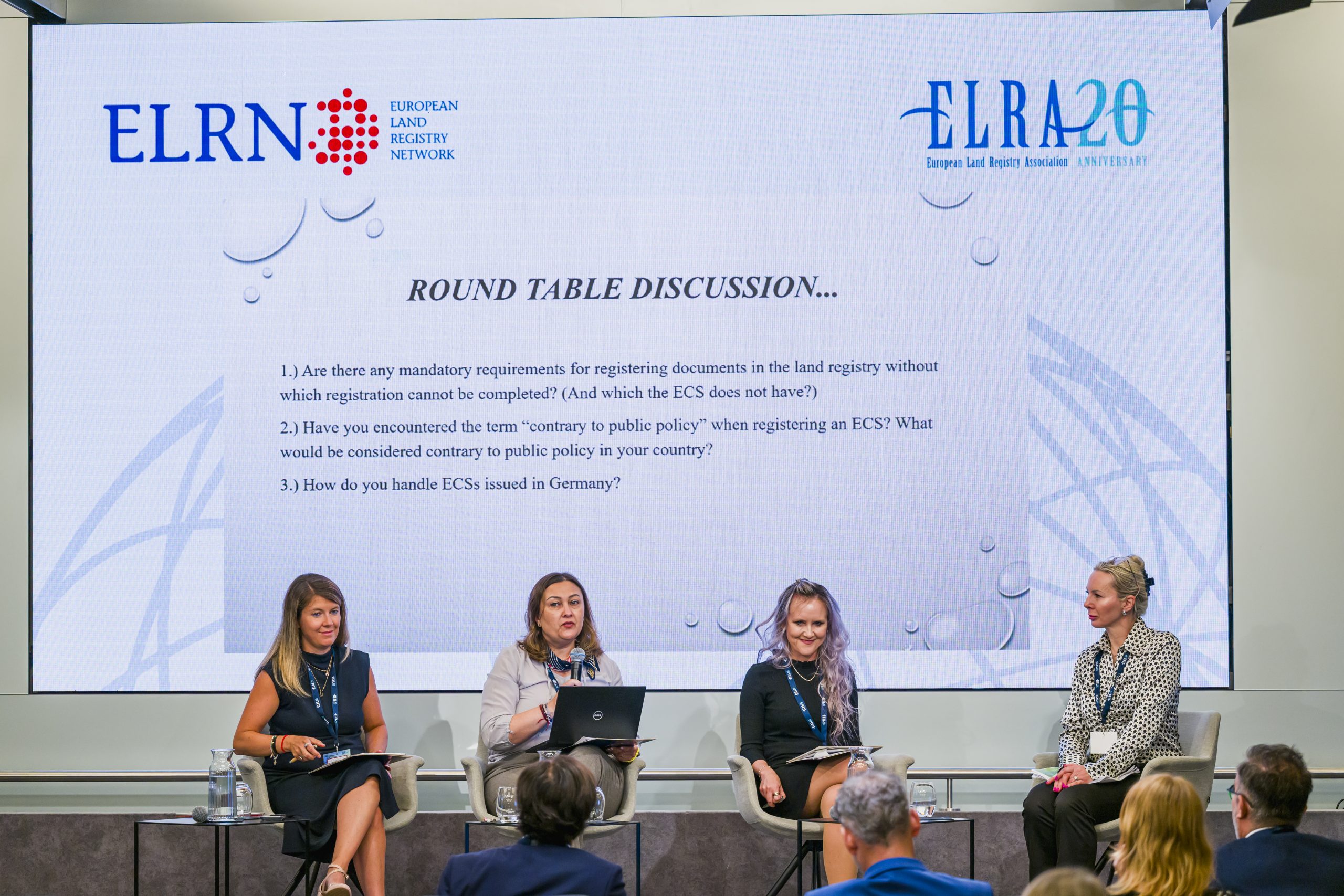
After the coffee break, a roundtable discussion moderated by Judge Dr. Marta Rekawek-Pachwicewicz, Member of the ELRA Board, brought together Beata Mykietyn-Furca (Polish Association of Registrars) and Lucia Filagová (Geodesy, Cartography and Cadaster Authority of the Slovak Republic), who presented practical succession cases illustrating how the European Certificate of Succession is applied in concrete situations across different jurisdictions.
European Business Wallet
Digitalisation also occupied an important place in the programme. Maria Christofidou, Legal and Policy Officer at DG CNECT, presented the proposal for a European Business Wallet and its place within the wider EU Digital Identity Framework, opening a discussion on the future role of land registries as trusted providers of verified legal information in Europe. The session also included a case study on its implementation in Portugal, presented by Cláudia dos Santos (Registry Services at the Instituto dos Registos e do Notariado).
Anti Money Laundering
The afternoon discussions continued with a presentation by Enrique Maside, ELRA Secretary General and ELRN Coordinator, on anti-money laundering measures and the implementation of the single access point for immovable property in registries.
Internal ELRN Matters
The final part of the workshop was dedicated to the ongoing work within ELRA itself, including developments within the organisation’s AI working group led by Jacques Vos (ELRA Board Member) and updates on the ELRN exchange programme and other internal matters presented by Enrique Maside.
Closing Session
Bringing the workshop to a close, Mihai Taus expressed his appreciation to all speakers and participants for their valuable contributions and reaffirmed the importance of continued collaboration across the ELRN network.
Online, 5 March 2026
On 5 March 2026, the first ELRN Workshop of the year took place online, bringing together members of the European Land Registry Network to exchange knowledge and discuss ongoing developments relevant to land registries and cross-border cooperation within the European Union. The session was moderated by Enrique Maside, ELRA Secretary General and ELRN Coordinator.
The workshop opened with welcoming remarks by Mihai Taus, President of ELRA, who introduced the objectives of the meeting and highlighted the importance of continued collaboration among national land registries in addressing evolving European legal challenges.
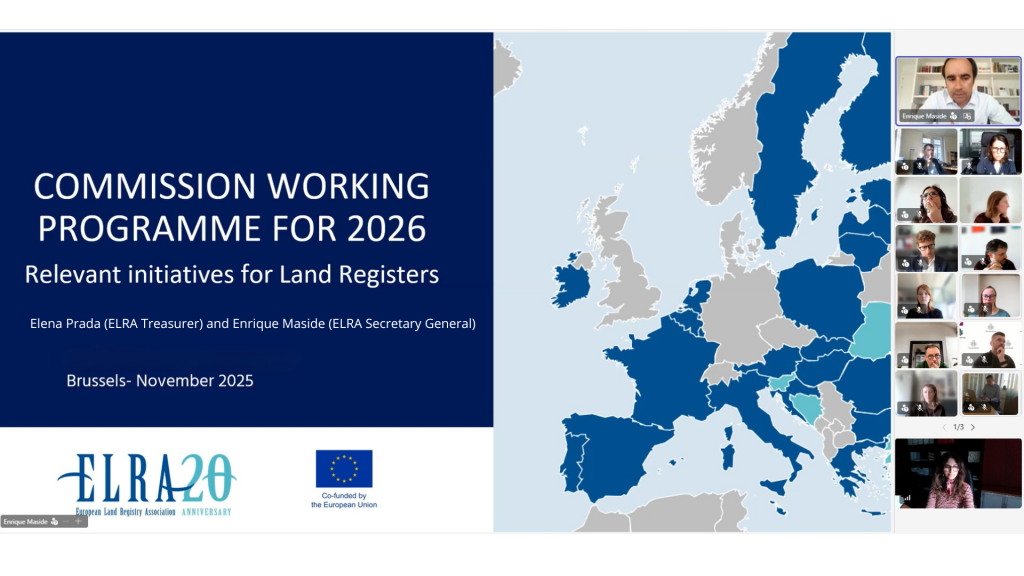
Following the opening, Enrique Maside and Elena Prada, ELRA Treasurer, presented an overview of the European Commission’s Working Plan for 2026, outlining the main legislative and policy initiatives expected during the year and discussing their potential implications for land registry authorities.
European Certificate of Succession
The morning session continued with practical case studies concerning the application of the European Certificate of Succession. Doris Smudde, ELRA Contact Point for the Netherlands, presented the first case study, illustrating practical issues encountered in cross-border succession procedures. This was followed by a second case presented by Lorenzo Marcolla, Contact Point for the Servizio Libro Fondiario e Catasto of the Autonomous Province of Trento (Italy).
The presentations were followed by a roundtable discussion moderated by Elena Prada, which provided participants with the opportunity to exchange experiences and discuss national practices in the registration of succession-related rights.
Free Circulation of Public Documents
After the coffee break, Francisco J. Gimeno (Colegio de Registradores de España) presented the legal framework governing the free circulation of public documents within the European Union. His presentation included an overview of the results of the ELRA comparative analysis on national requirements for registering cross-border divorces in land registers among ELRA members.
Registers as Guarantors of Legal Certainty
The workshop highlighted the role of land registries in ensuring legal certainty in property rights. In this context, Judge Dr. Marta Rekawek-Pachwicewicz, Member of the ELRA Board, together with Mihai Taus, ELRA President, explored the role of land registries as legal professionals, revisiting a topic that had already been introduced in previous ELRN discussions. Their presentation aimed to further examine the concept from a practical perspective, analysing its potential implications and the possible consequences for the functioning and responsibilities of land registry authorities across different jurisdictions.
Internal ELRN Matters
The final part of the workshop was dedicated to internal matters of the European Land Registry Network. Enrique Maside presented several upcoming initiatives, including the ELRN Exchange Programme for the period 2026–2028, as well as the evaluation of the annual activities and the results of the FPA survey covering the period 2022–2025. In addition, he also introduced the ELRA Annual Newsletter 2025.
Closing Session
The workshop concluded with closing remarks by Mihai Taus, who thanked the speakers and participants for their contributions and encouraged continued engagement and cooperation within the ELRN community.
ELRN Workshops 2025
Barcelona, 30th of October
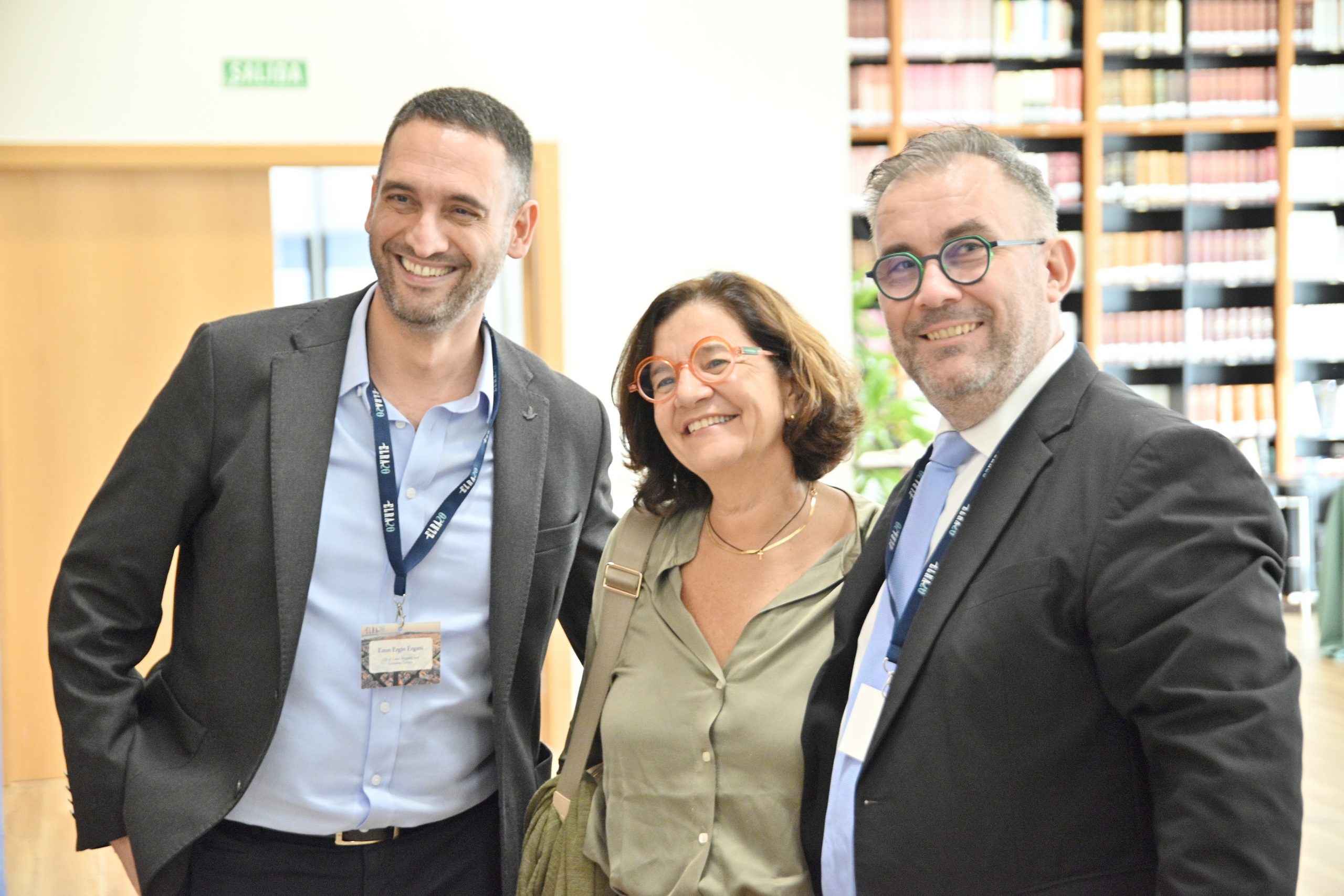
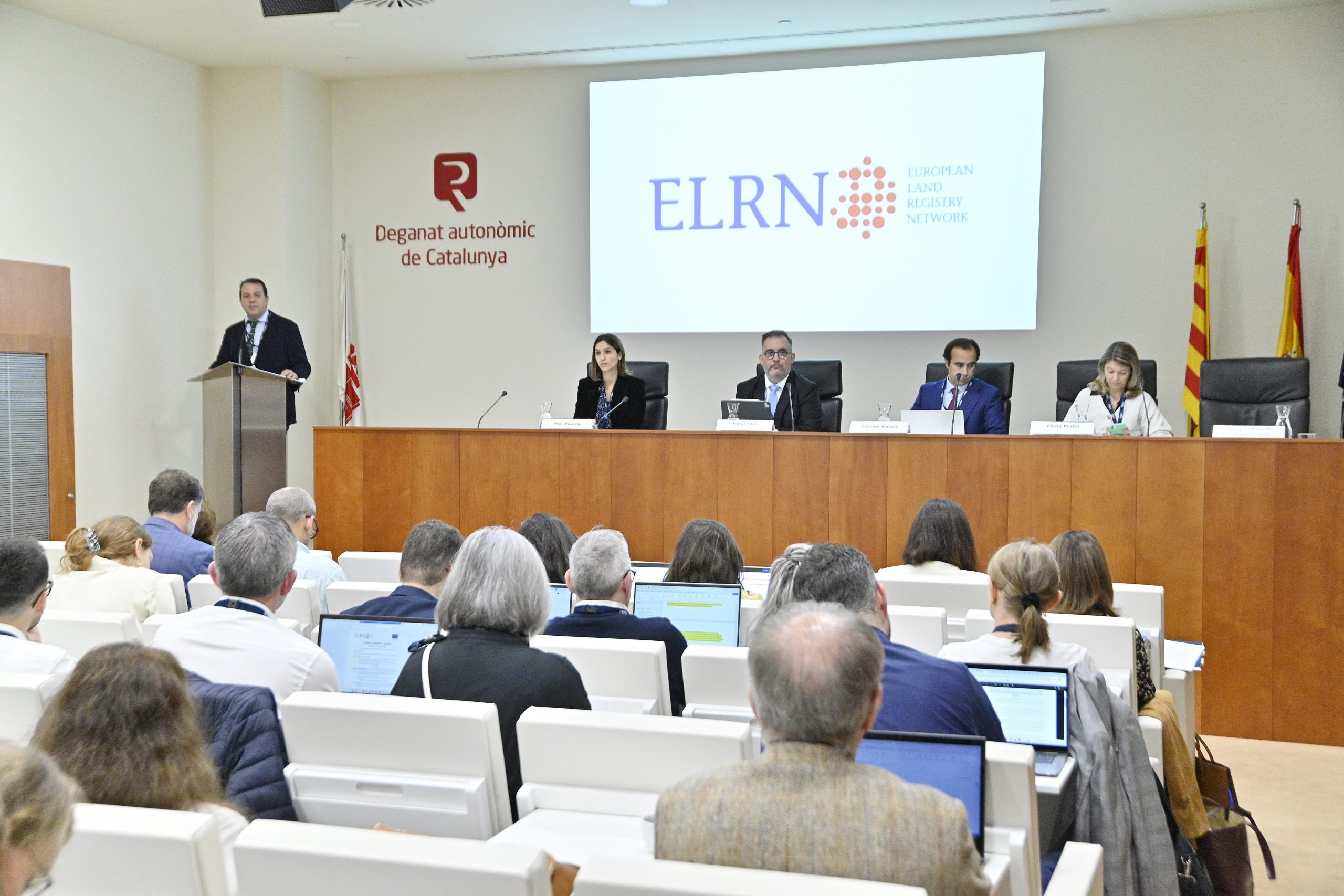
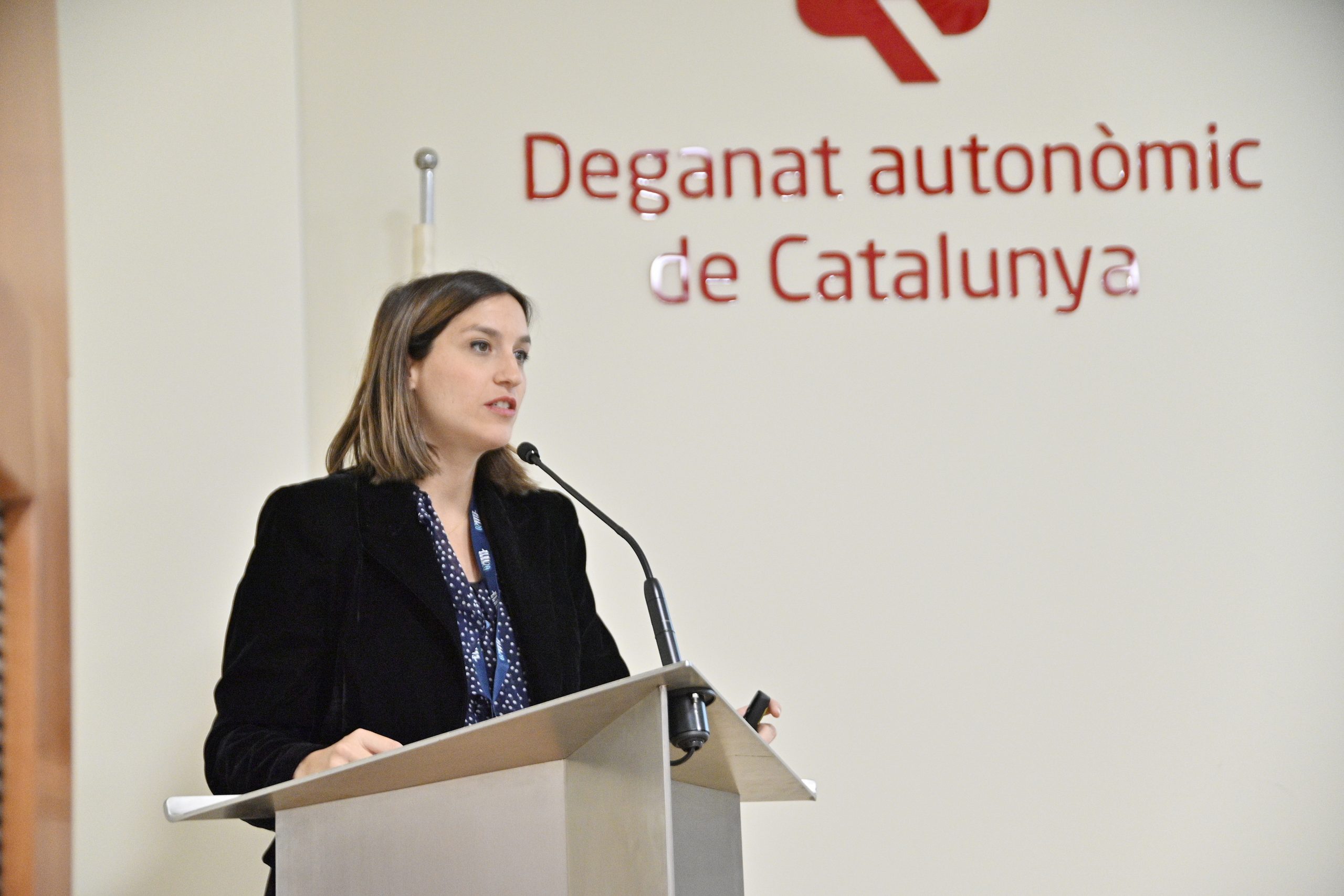
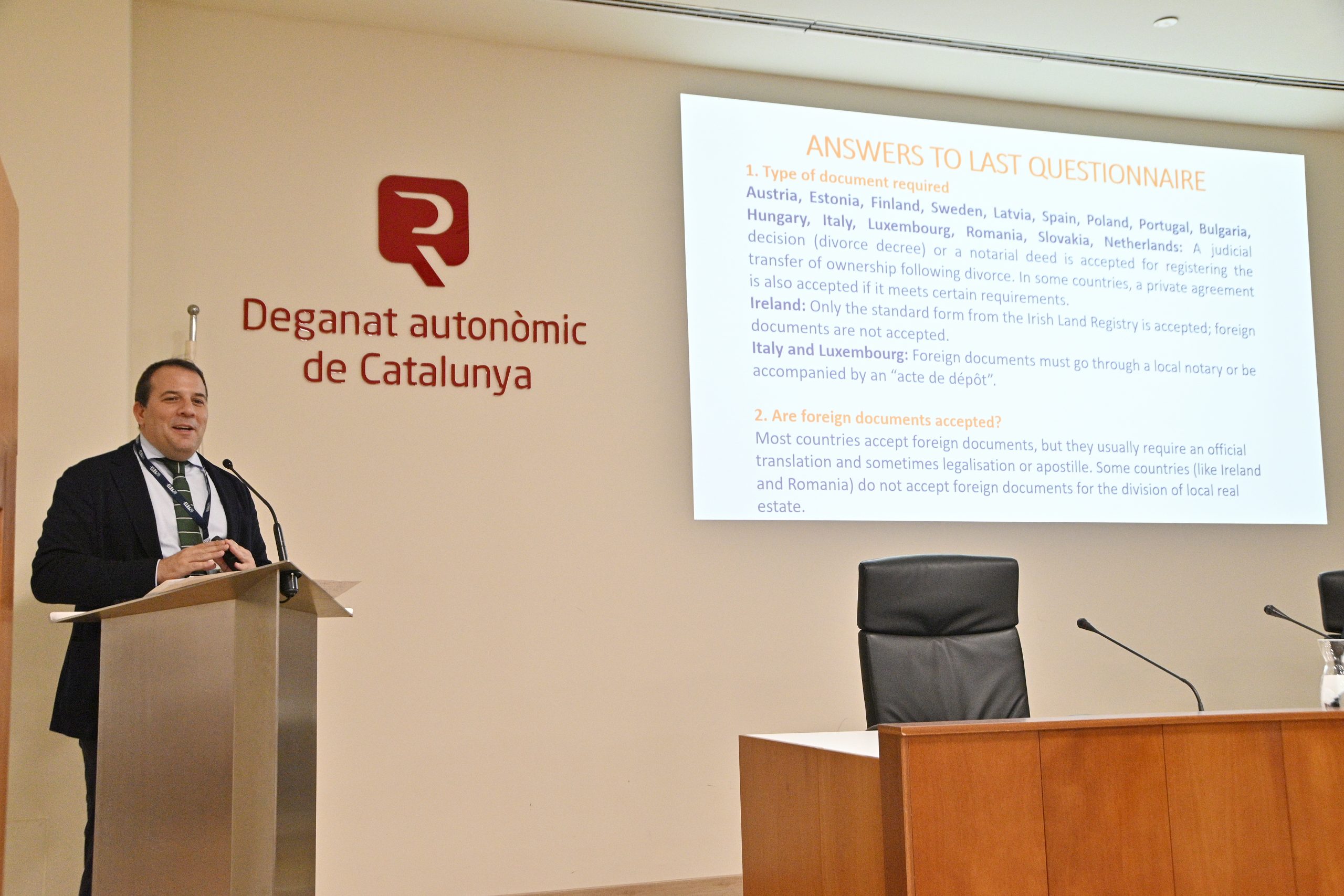
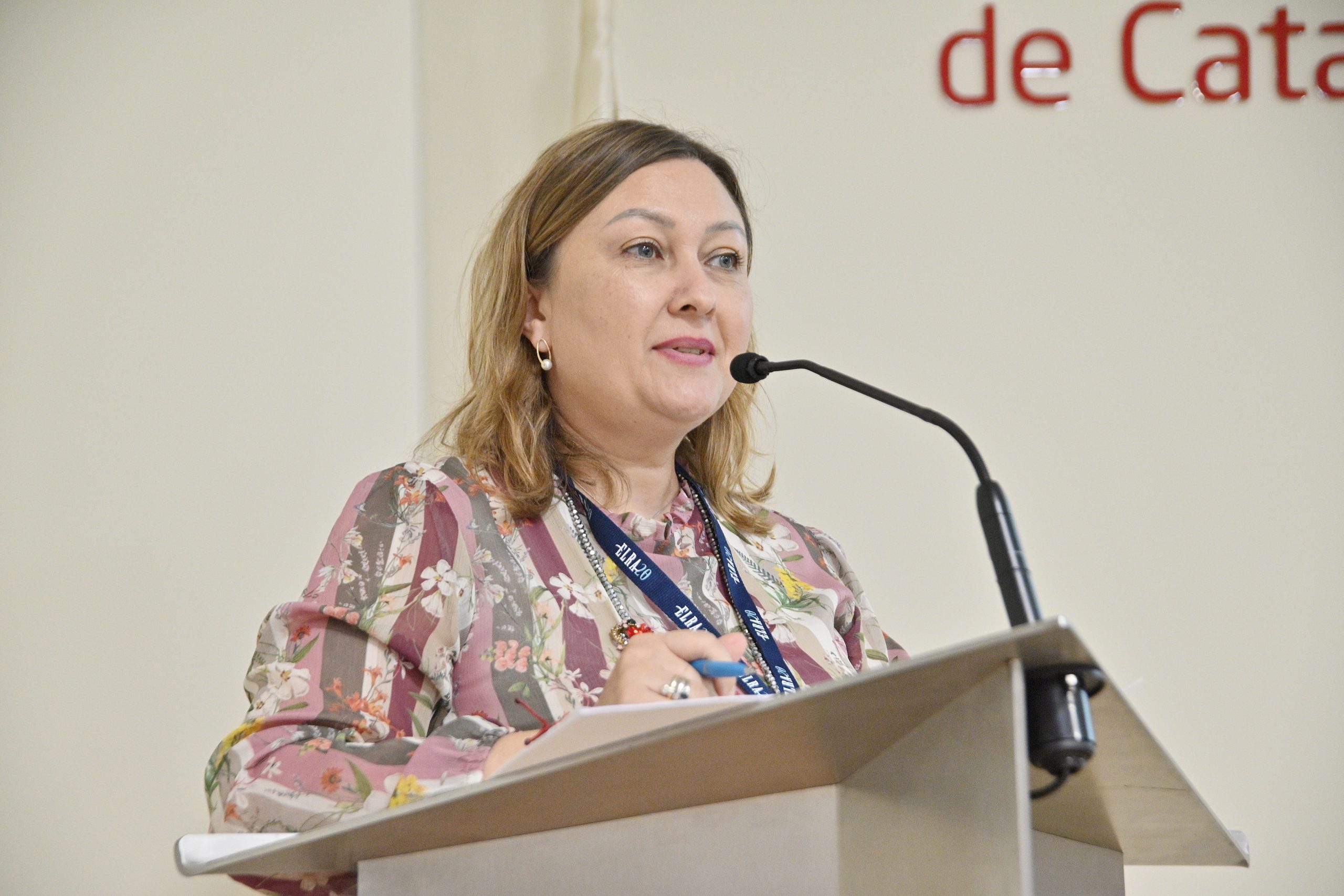
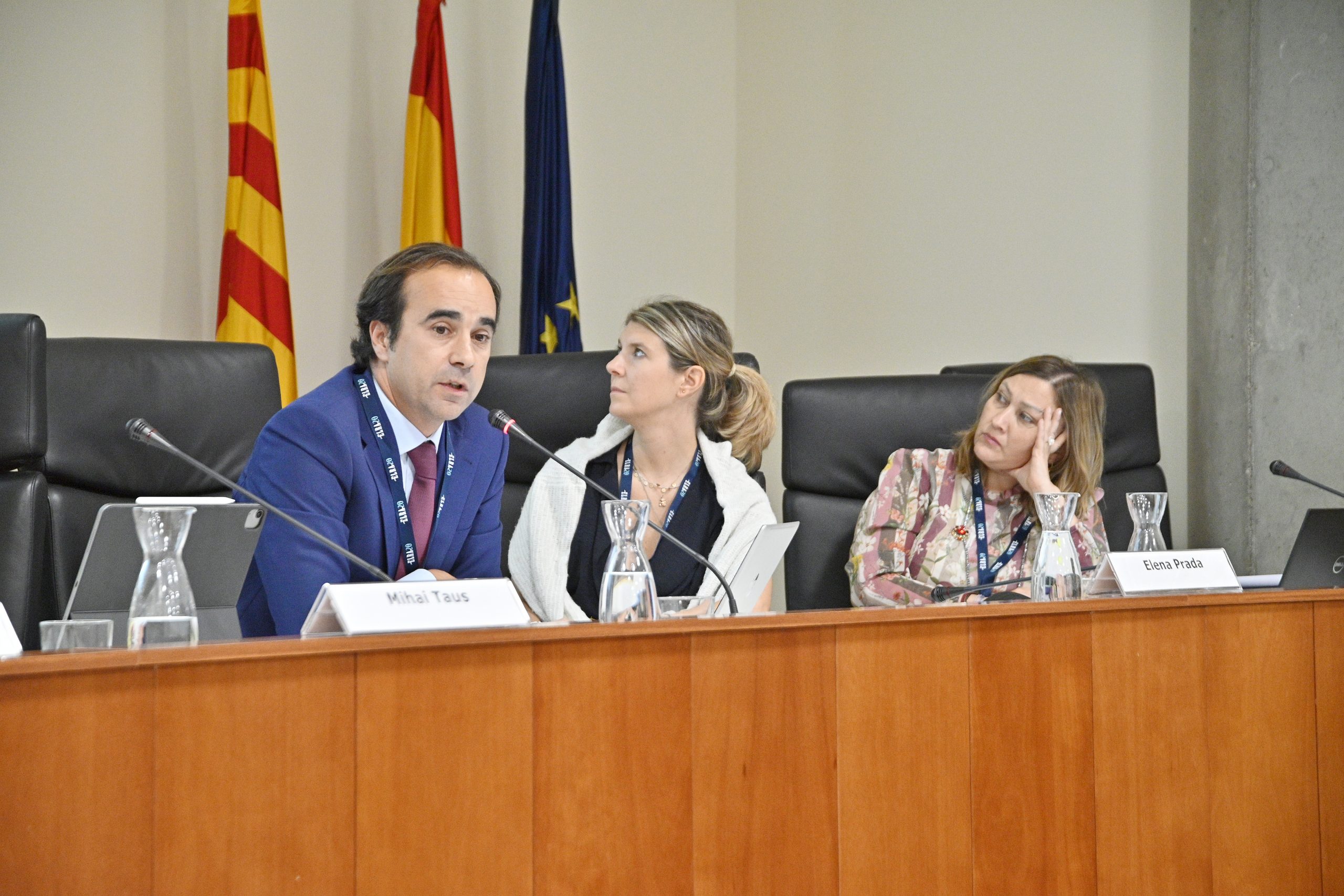
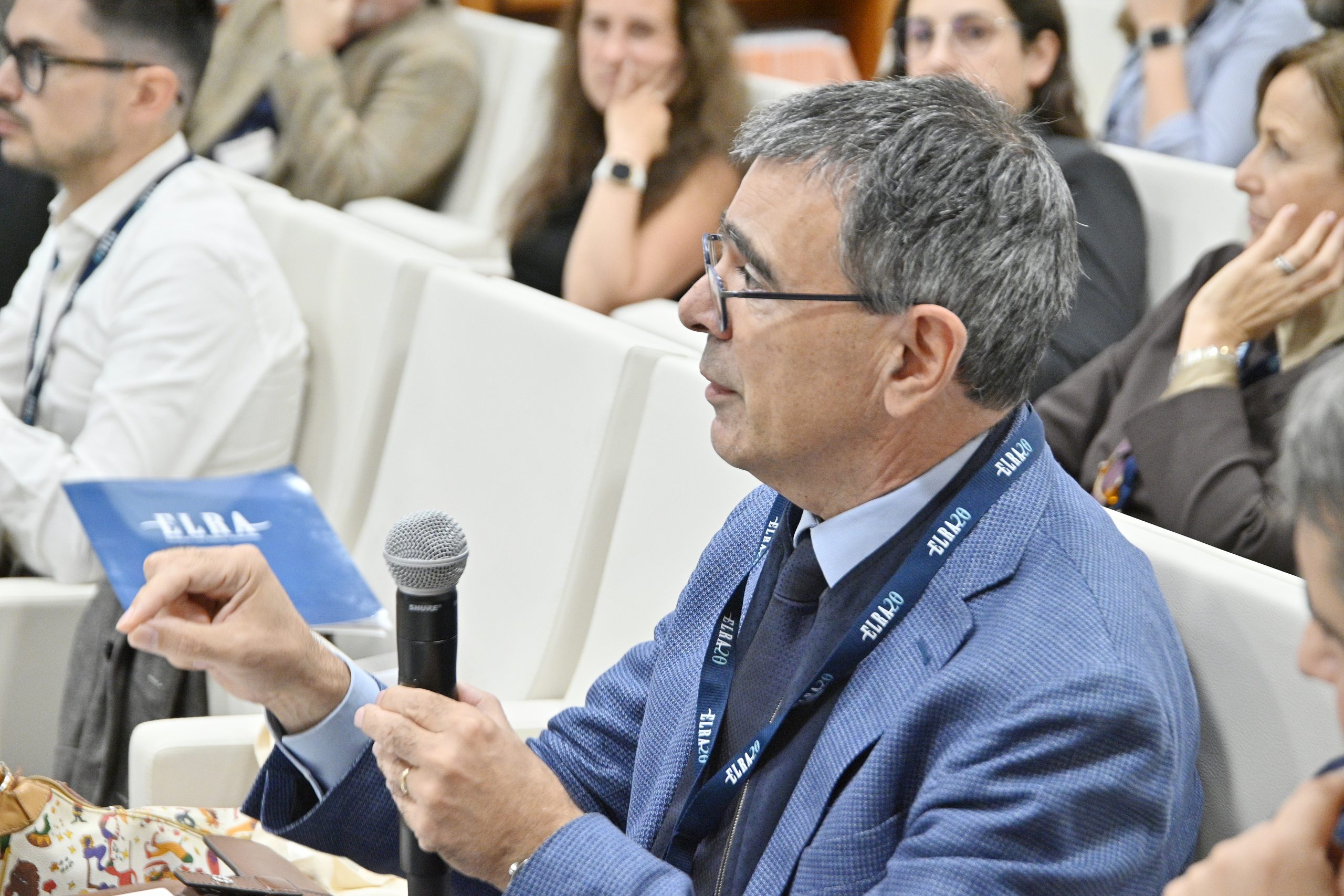
On 30 October 2025, the 3rd ELRN Workshop took place in Barcelona, hosted by Registradors de Catalunya. The event gathered representatives from multiple Member States, providing a forum for practical exchange, comparative analysis and discussion on cross-border legal issues relevant to land registration.
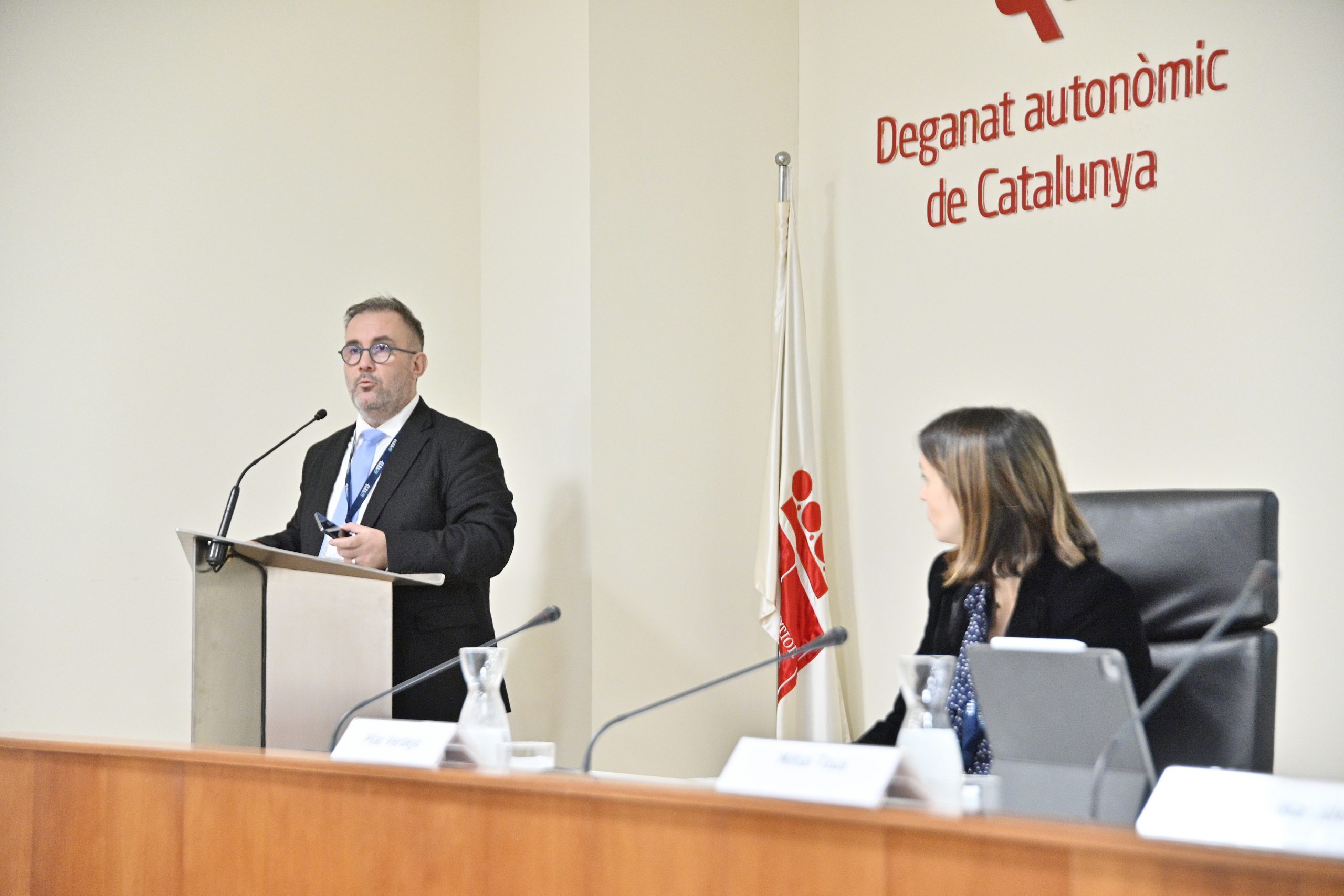
The workshop opened with welcoming remarks by Mihai Taus, ELRA President, followed by the presentation of the ELRN 2025 Report by Francisco J. Gimeno (CORPME), outlining the Network’s ongoing activities and studies.
Anti-Money Laundering Session
Mihai Taus highlighted the implications of Directive (EU) 2024/1640, with special emphasis on Article 18 concerning the creation of a Single Access Point to real estate information and its significance for registry authorities.
Subsequently, Pilar Verdejo, ELRA Contact Point for Spain, presented the functioning and objectives of the Anti-Money Laundering Registration Centre (CRAB), illustrating how registry data serves as a key instrument to prevent illicit financial activities through improved traceability and institutional coordination.
The morning continued with a case-based presentation by Francisco J. Gimeno (CORPME) on the free circulation of public documents in the EU, which introduced a roundtable moderated by Elena Prada (ELRA Treasurer). This session examined the practical requirements and legal implications for registering cross-border divorces across different land registry systems, providing an exchange of national practices and identify potential obstacles.
The workshop then addressed developments in the field of succession law, where Judge Dr. Marta Rekawek-Pachwicewicz, ELRA Board member, presented the ongoing ELRN study on the EU Succession Regulation, including an overview of relevant CJEU case law (C-354/21) and the new ELRA Factsheet on national registration requirements, designed to support practitioners and authorities engaged in cross-border succession matters.
Afternoon Session
In the afternoon, Enrique Maside, new ELRA secretary general, examined recent developments related to the Proposal for the Insolvency Regulation (COM/2022/702), with particular reference to Articles 18 and 34 and their implications for registry publicity and legal certainty.
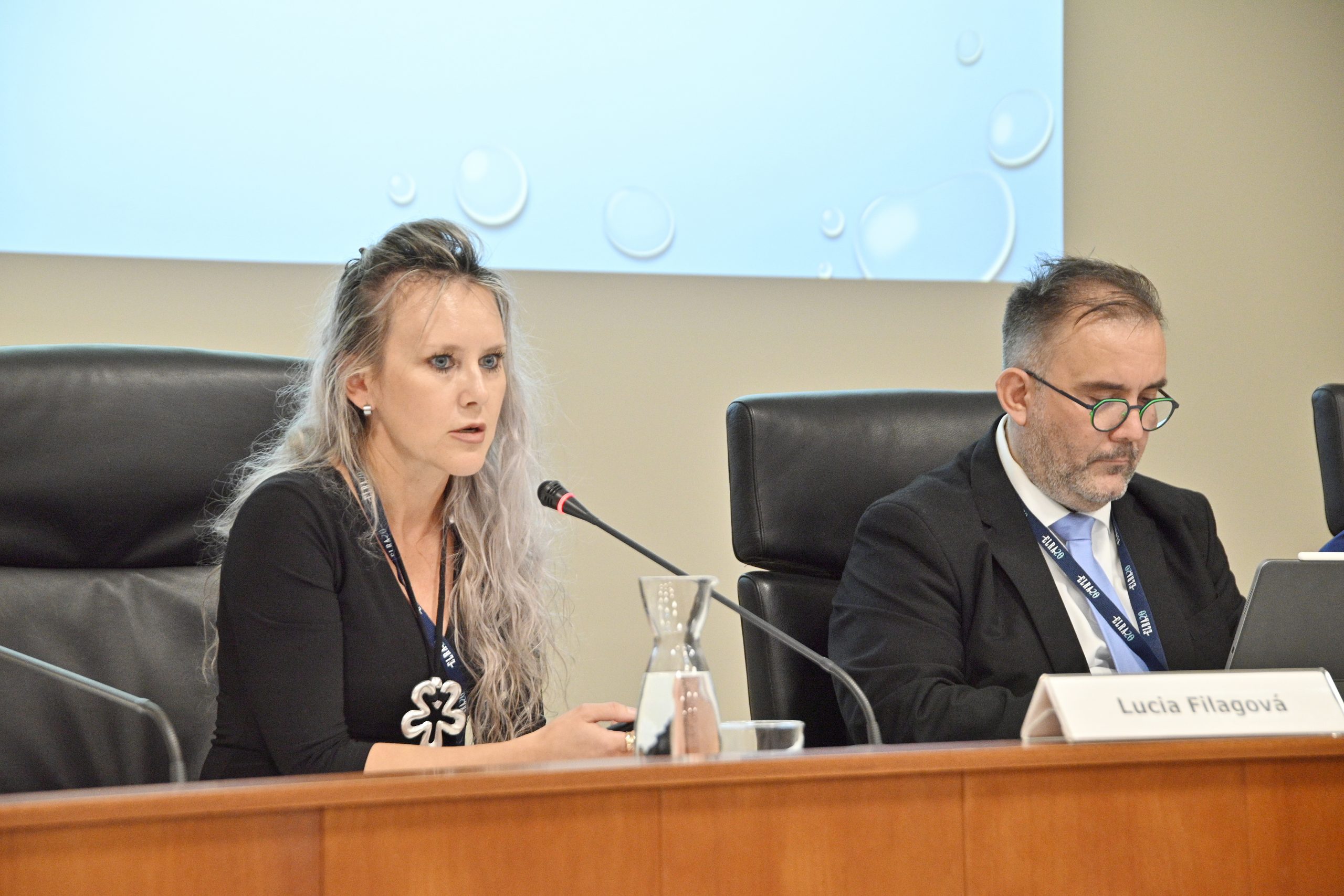
This was followed by Lucia Filagová, Contact Point for Slovakia, who presented the results of the ELRN comparative questionnaire on the status and functioning of Land Registries, offering an overview of organisational structures, operational differences and common challenges among European systems.
Closing Session
The Workshop concluded with closing remarks from Mihai Taus, expressing appreciation for the contributions of speakers and participants.
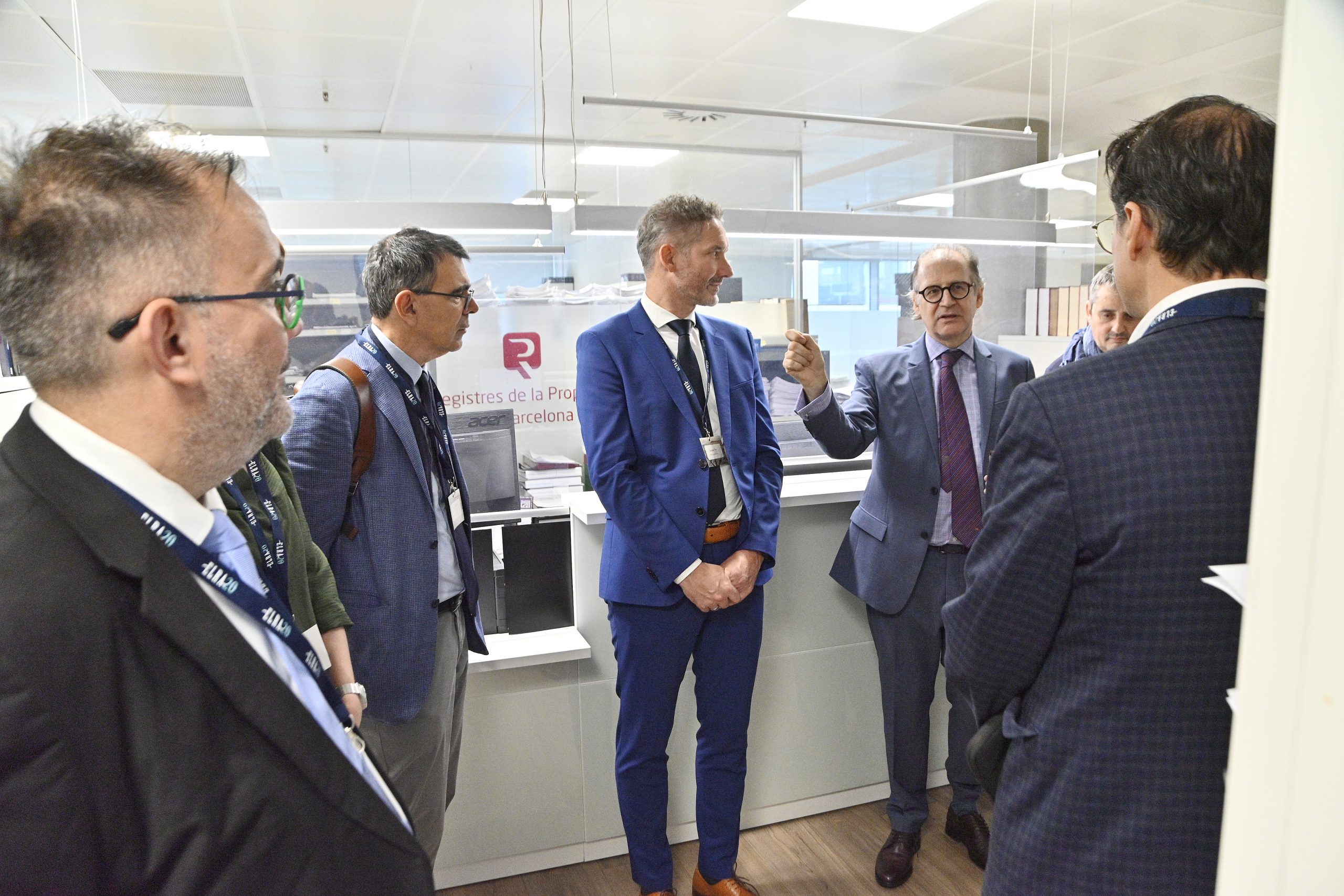
The day ended with a guided visit to the Land Registry offices, where attendees were able to observe registry practice and digital tools in operation.
Trento, 11th & 12th of June
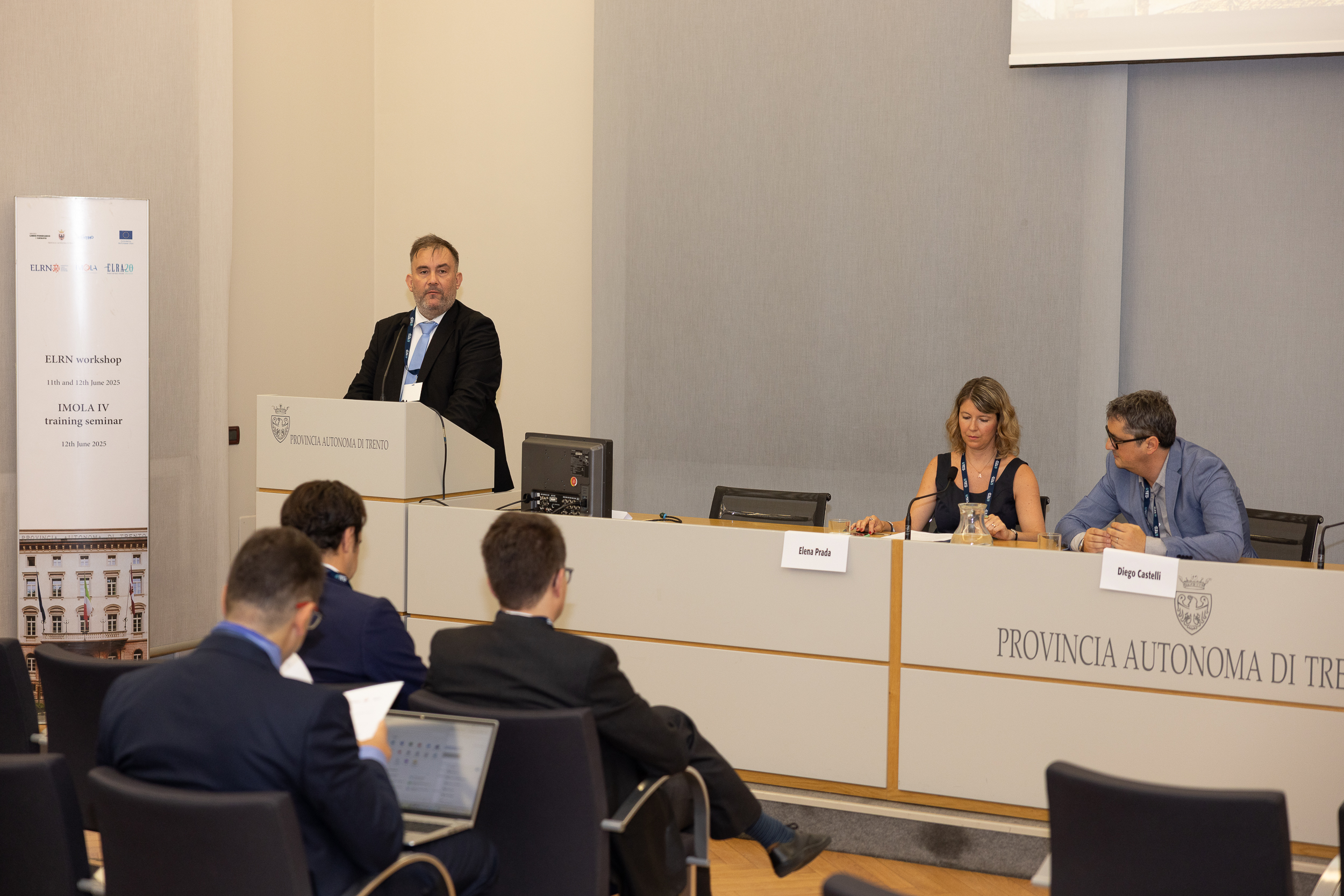
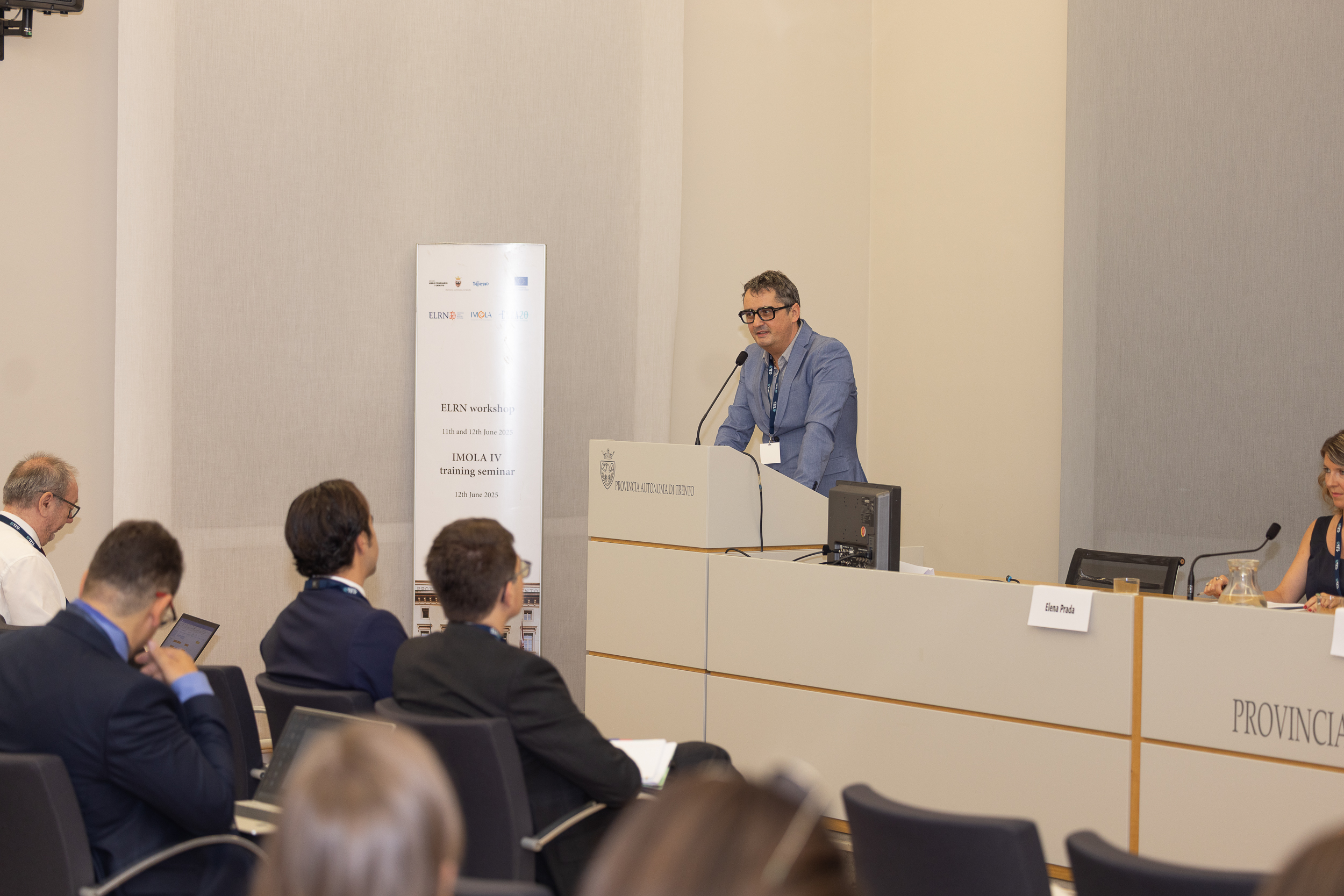
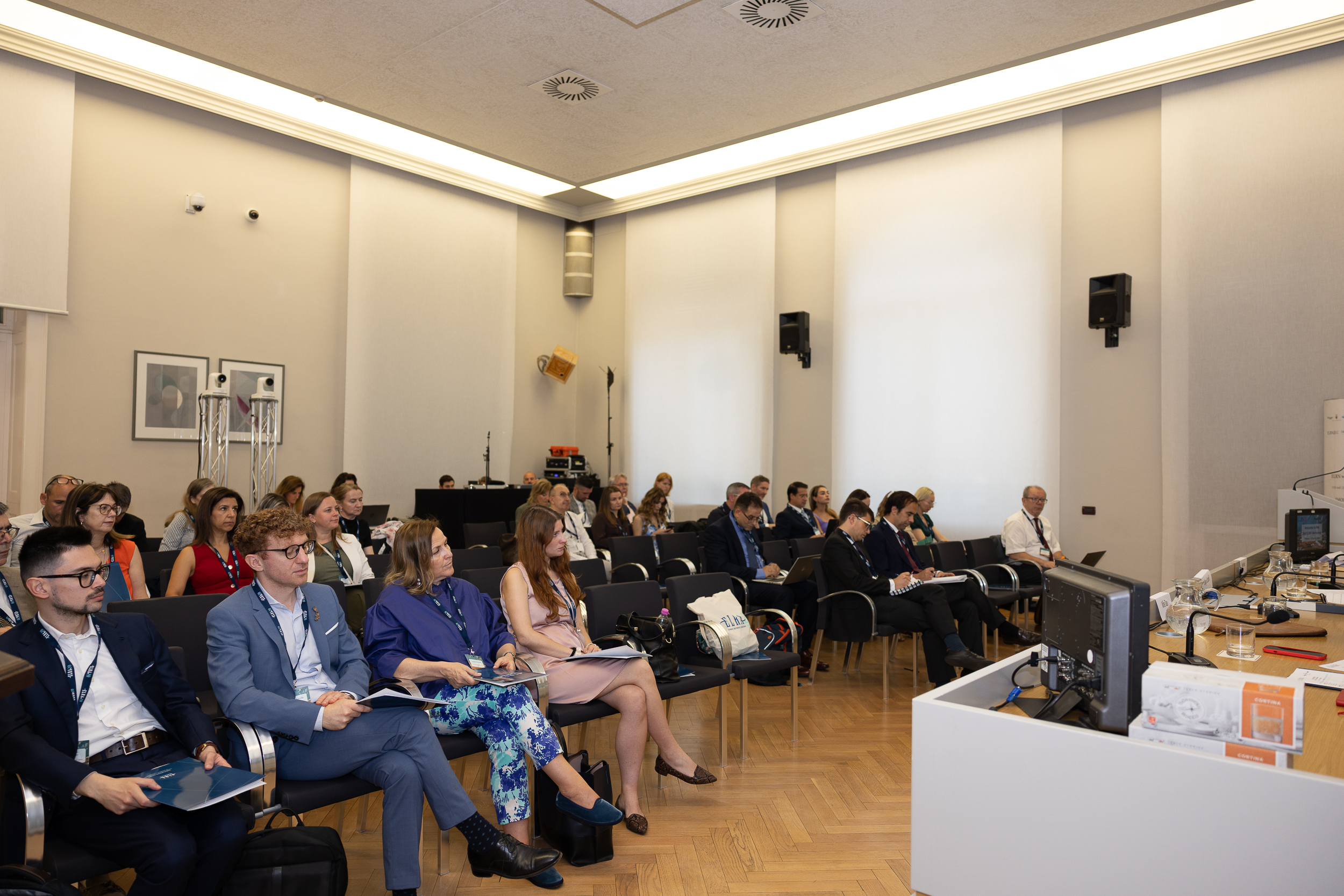
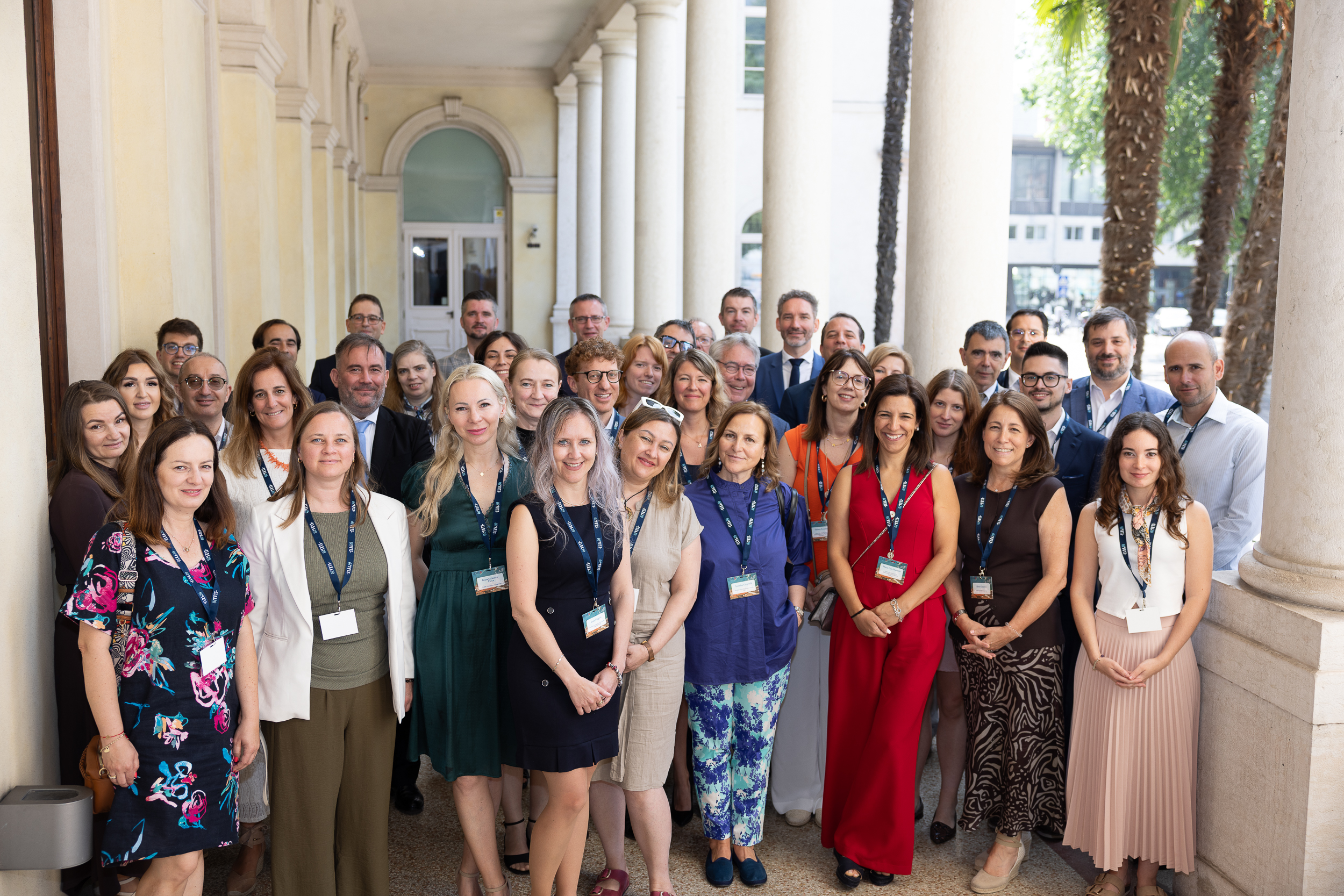
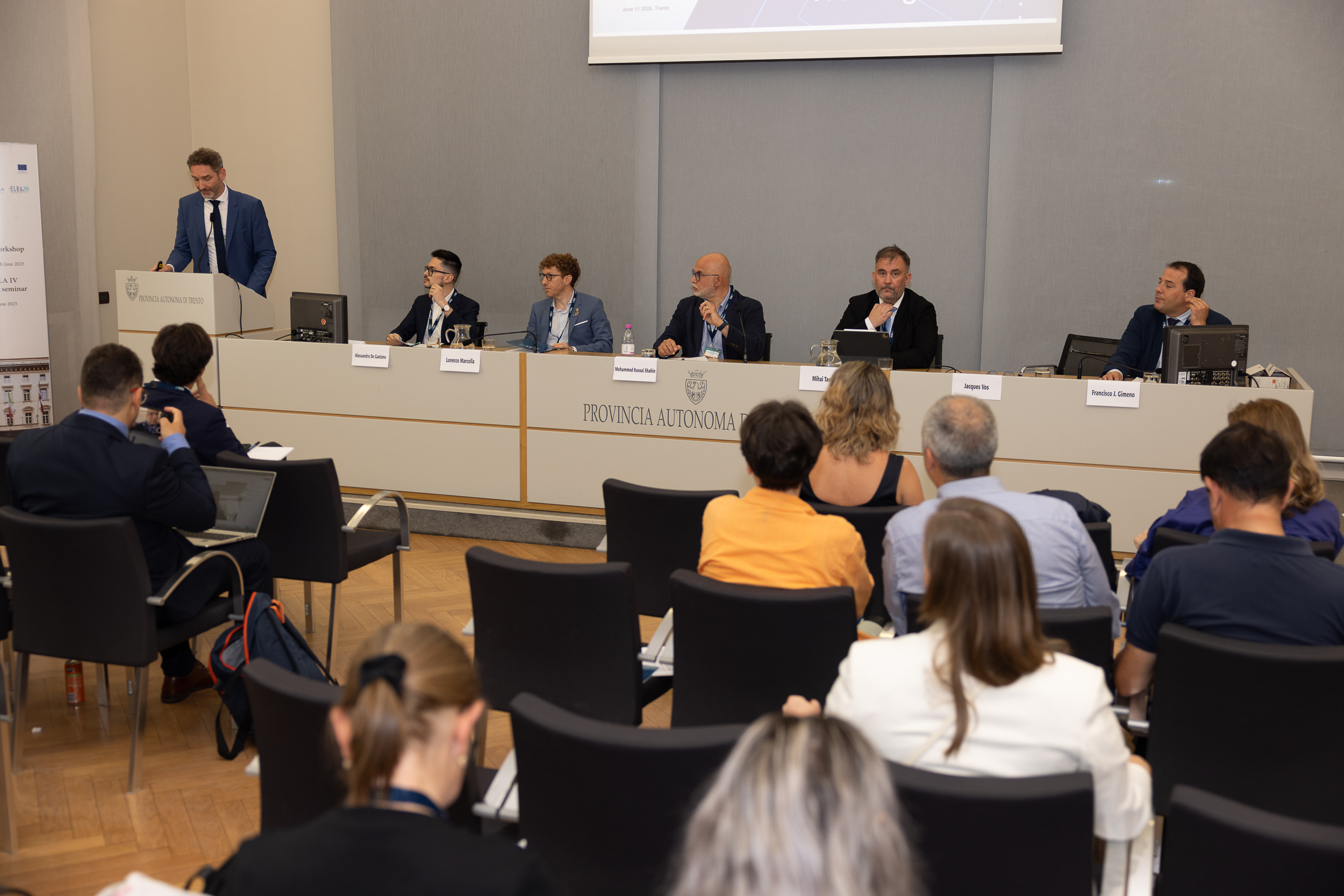
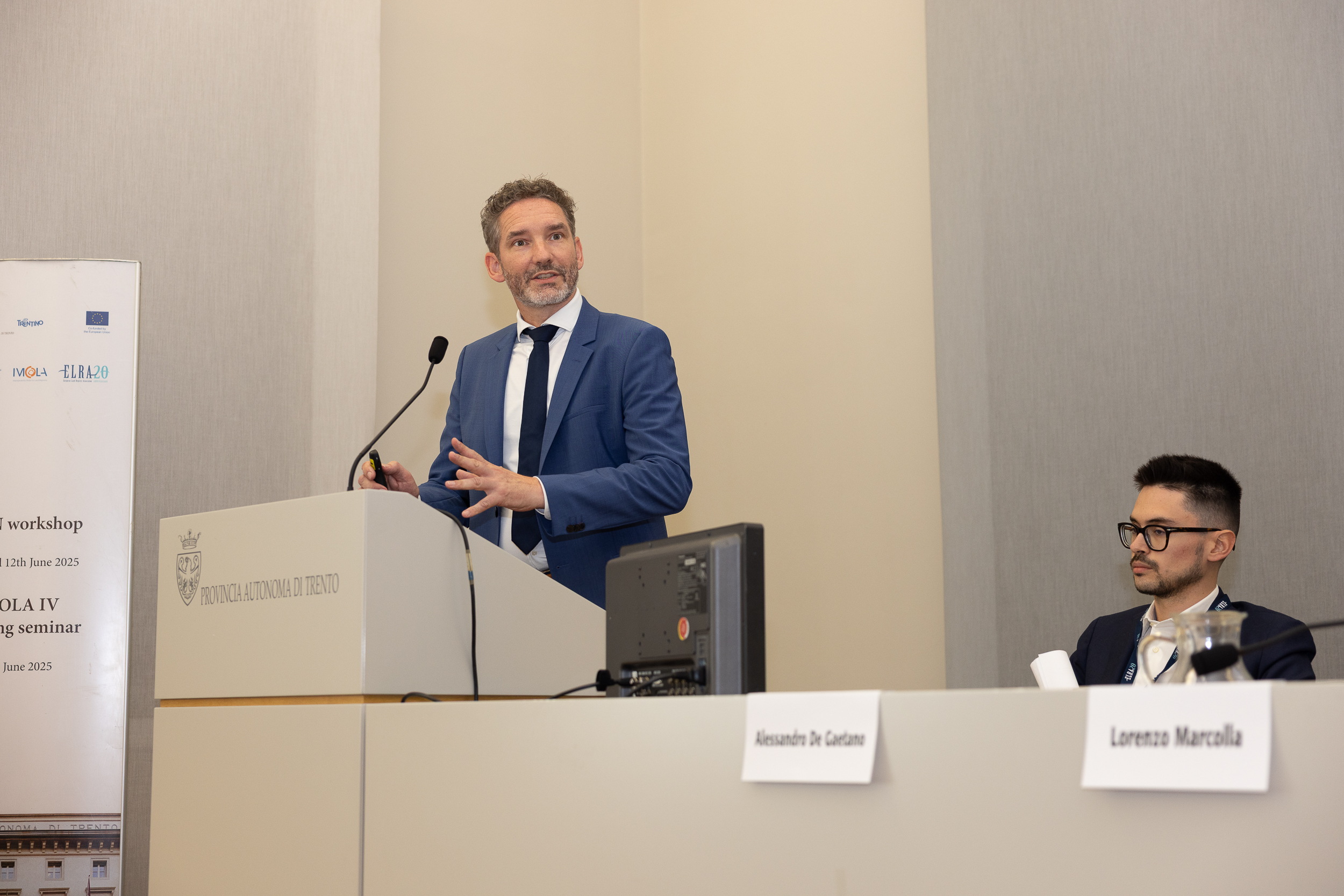
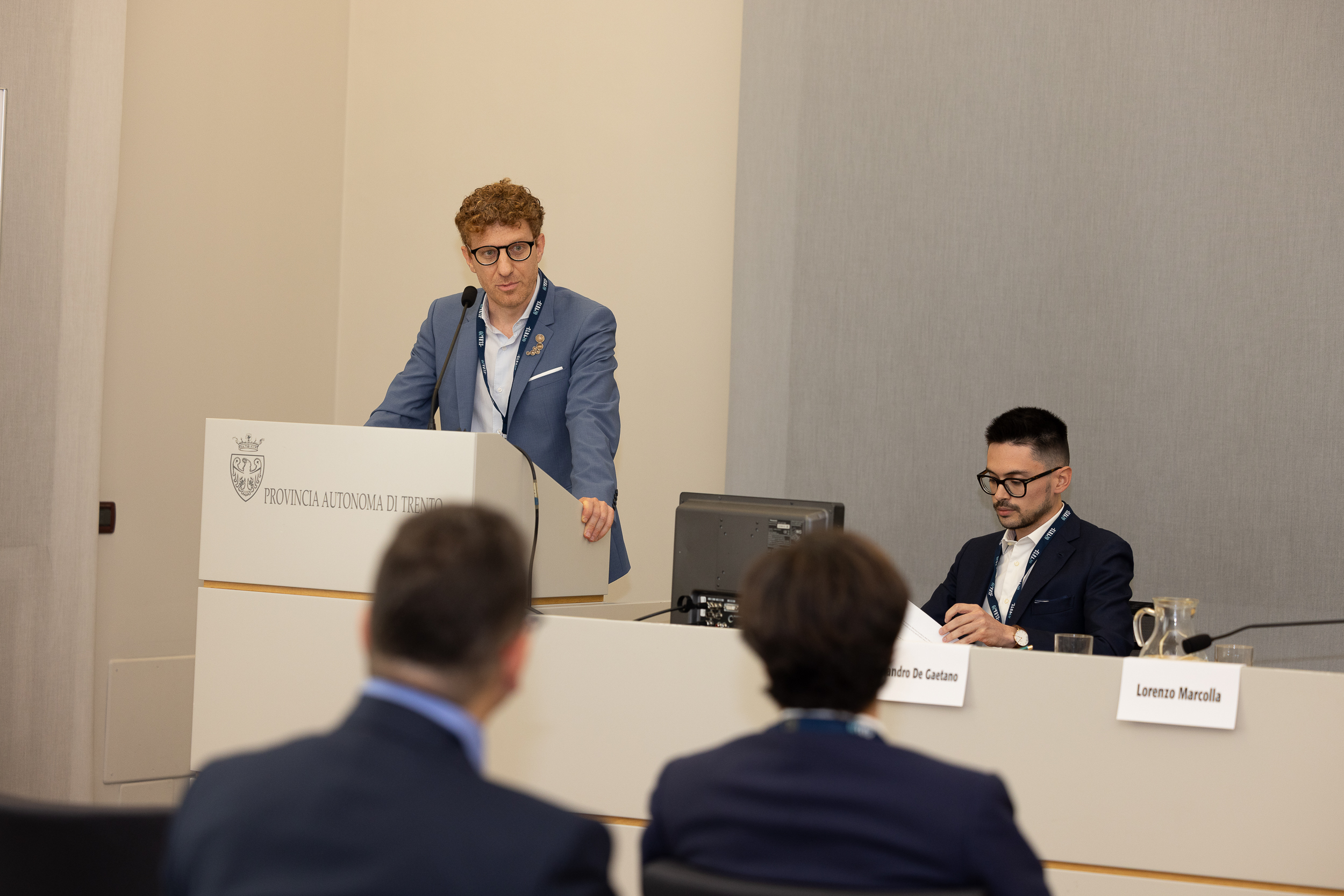
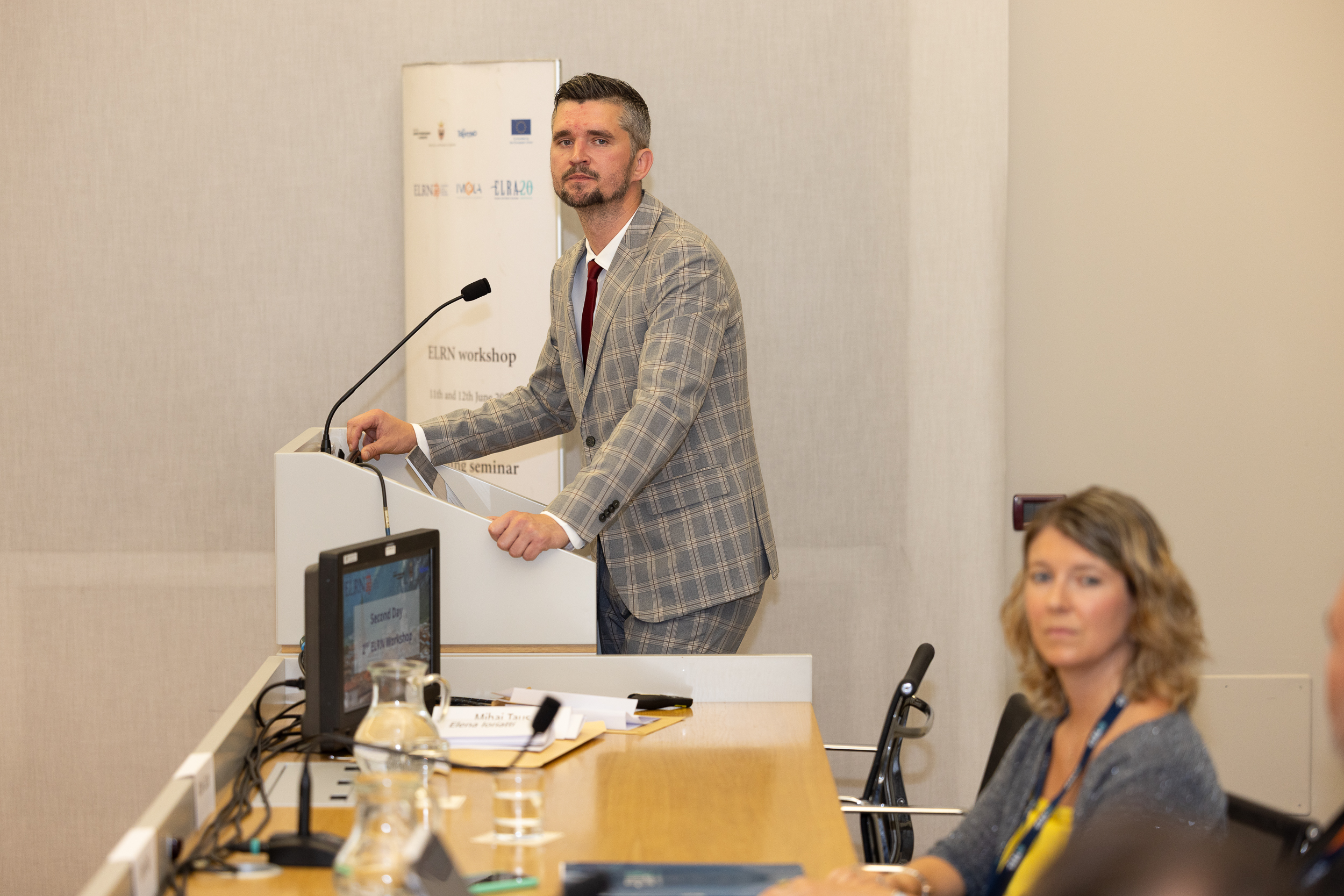
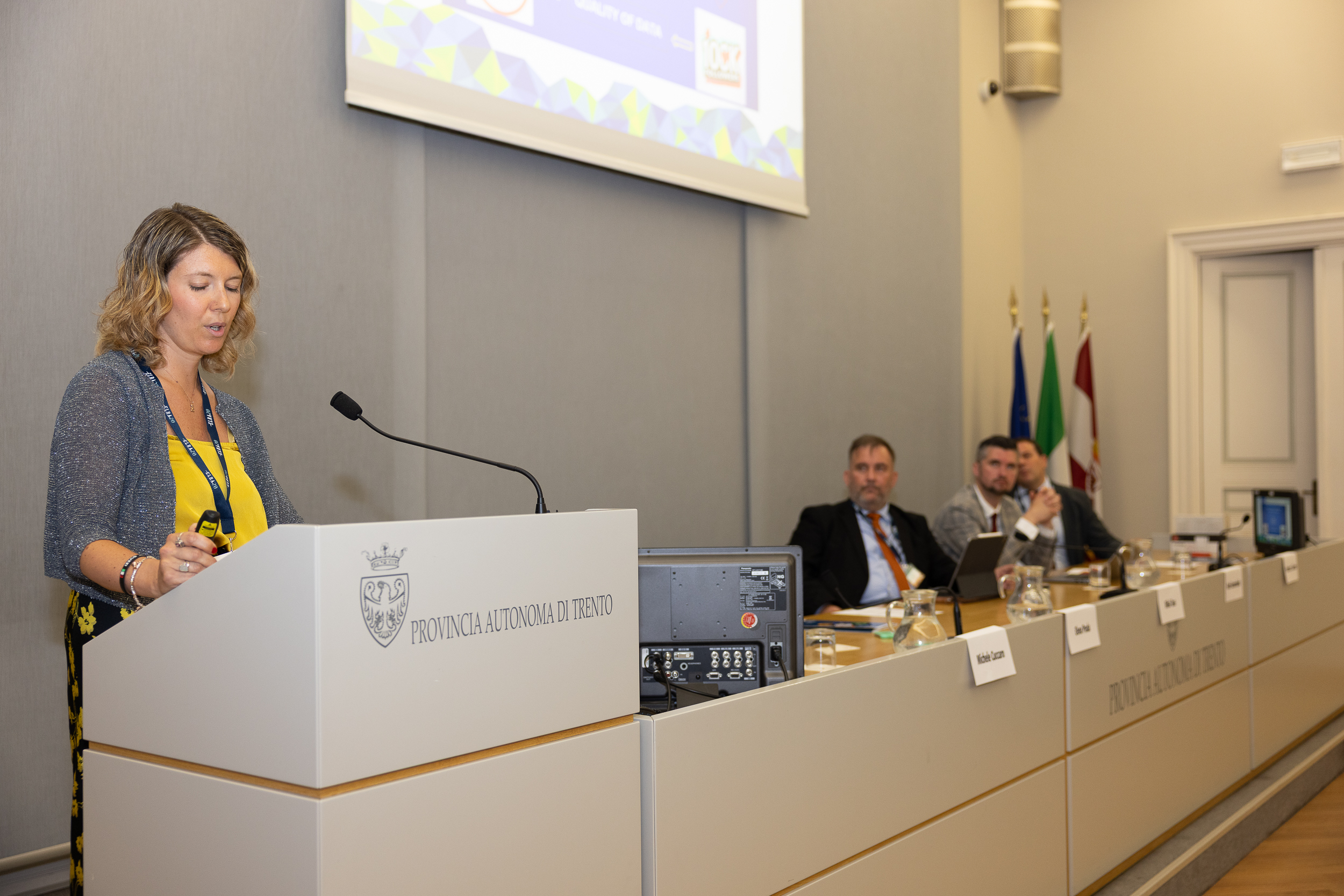
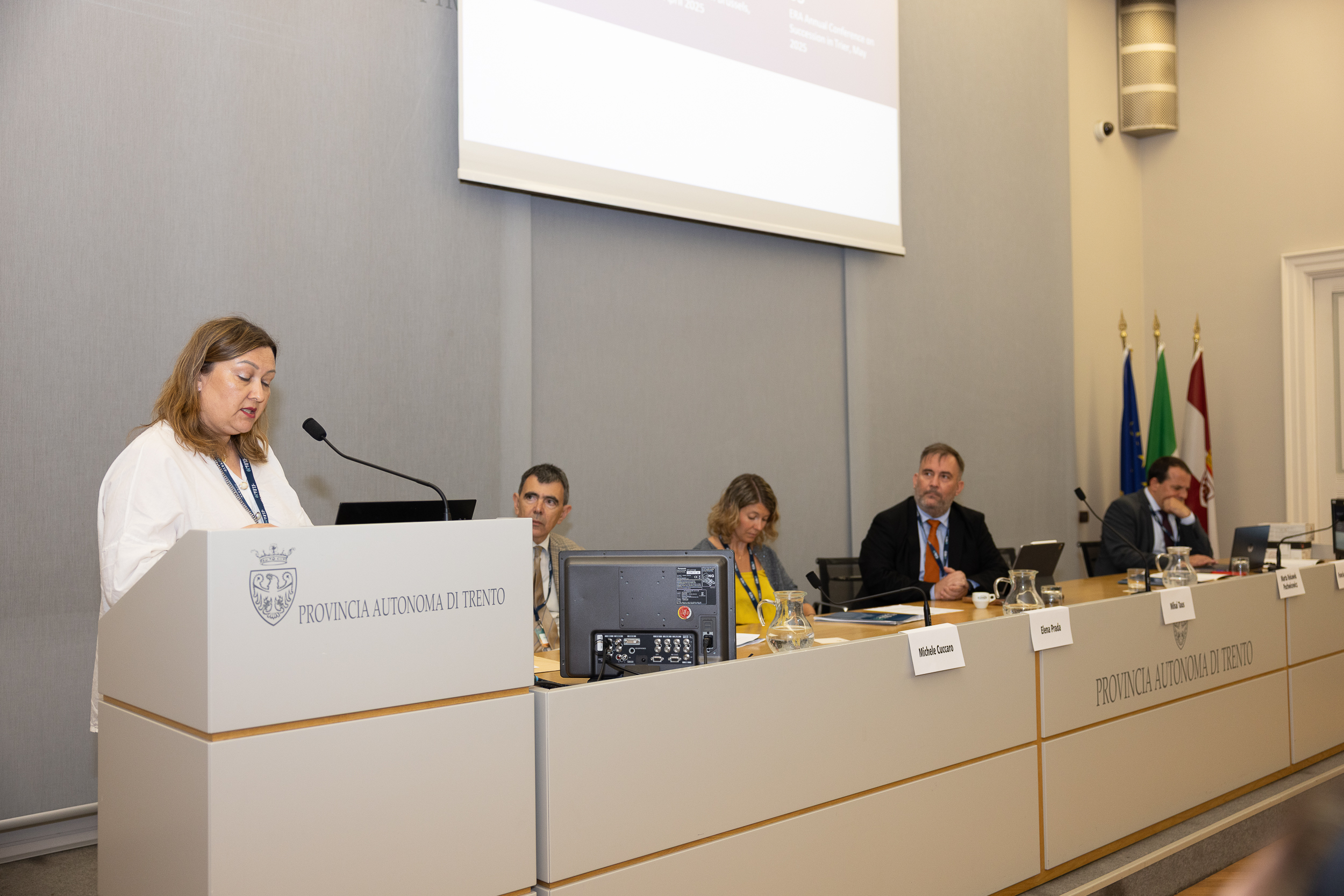
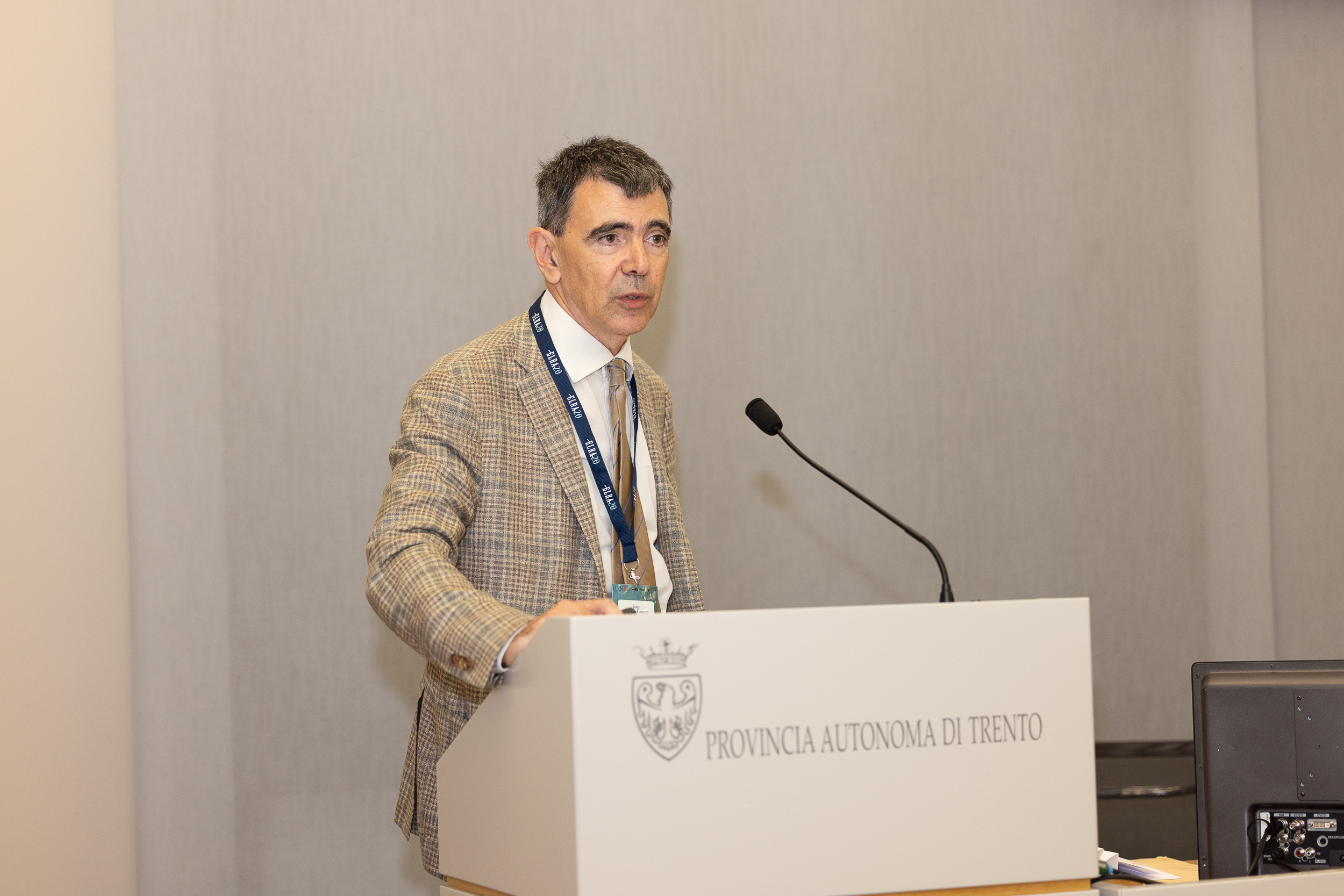
On June 11th and 12th, 2025, the second ELRN Workshop took place at the Palazzo della Provincia in Trento, hosted by the Servizio Libro Fondiario e Catasto – Provincia Autonoma di Trento.
The workshop opened with welcoming remarks by Mihai Taus, ELRA President, and Diego Castelli, General Chief of the Servizio Libro Fondiario e Catasto. Mr. Castelli then provided an overview of the Land Registry and its real basis, followed by a Q&A session moderated by Elena Prada, ELRA Treasurer.
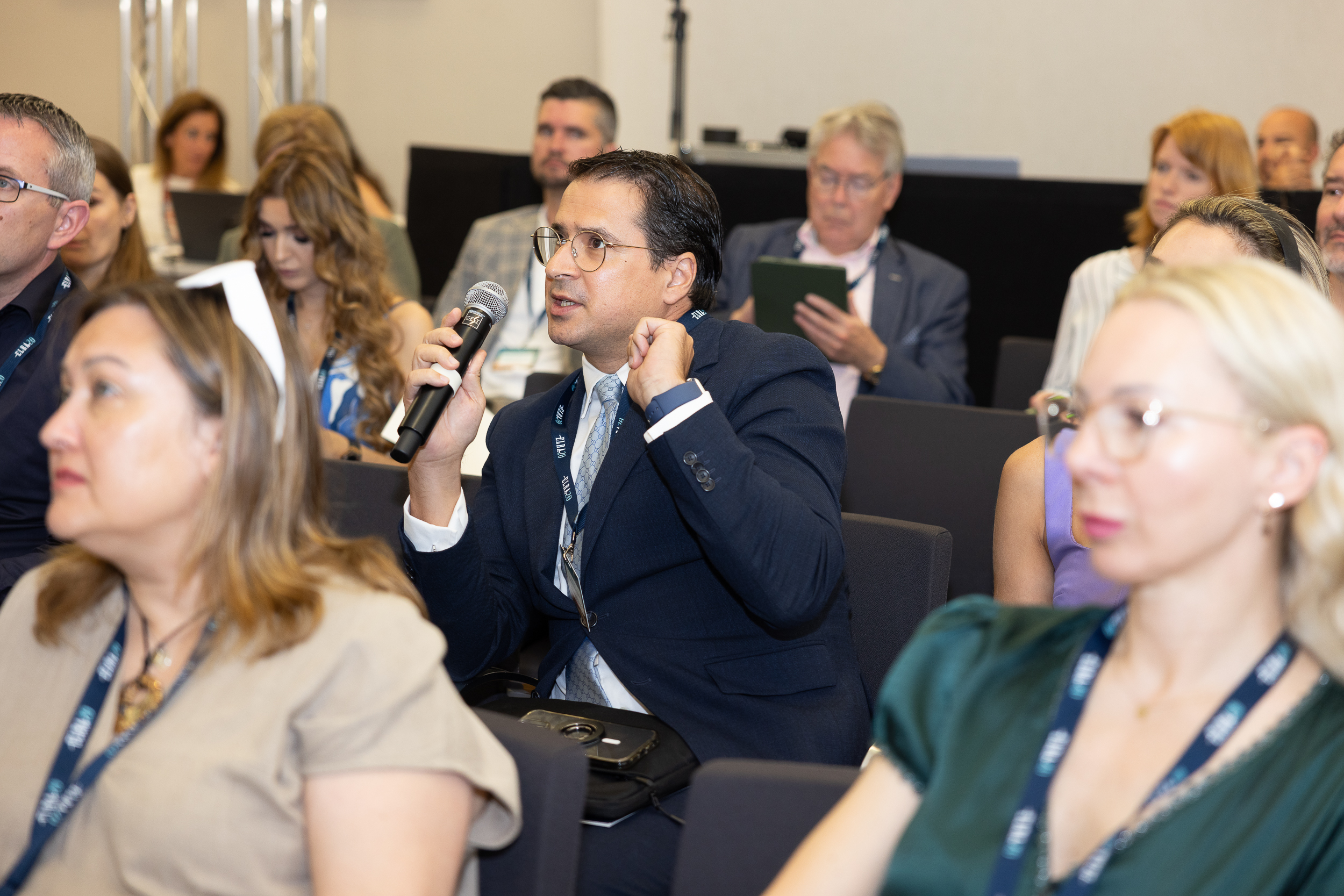
The first day continued with Prof. Rusconi (Milan University), who examined land registry systems and the Italian transcription model. Francisco Javier Gimeno Chocarro, ELRA Secretary General and ELRN Coordinator, then led a practical session on the registration of cross-border divorce cases in land registries across Europe, followed by a Round Table moderated by Elena Prada. The morning closed with a presentation on the European Commission’s initiatives for the digitalisation of judicial cooperation in civil matters by Haldi Koit (DG JUST), followed by a lively debate.
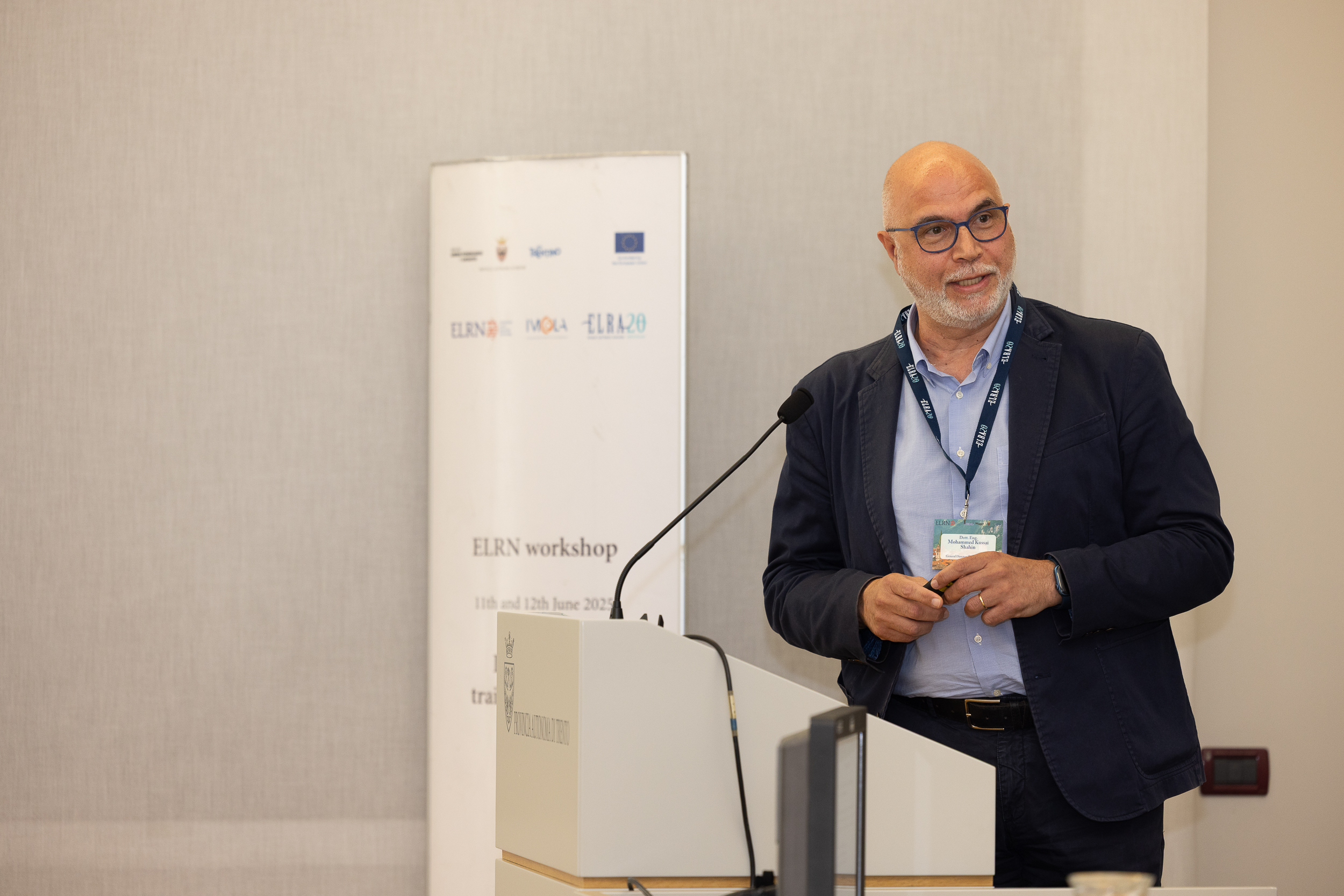
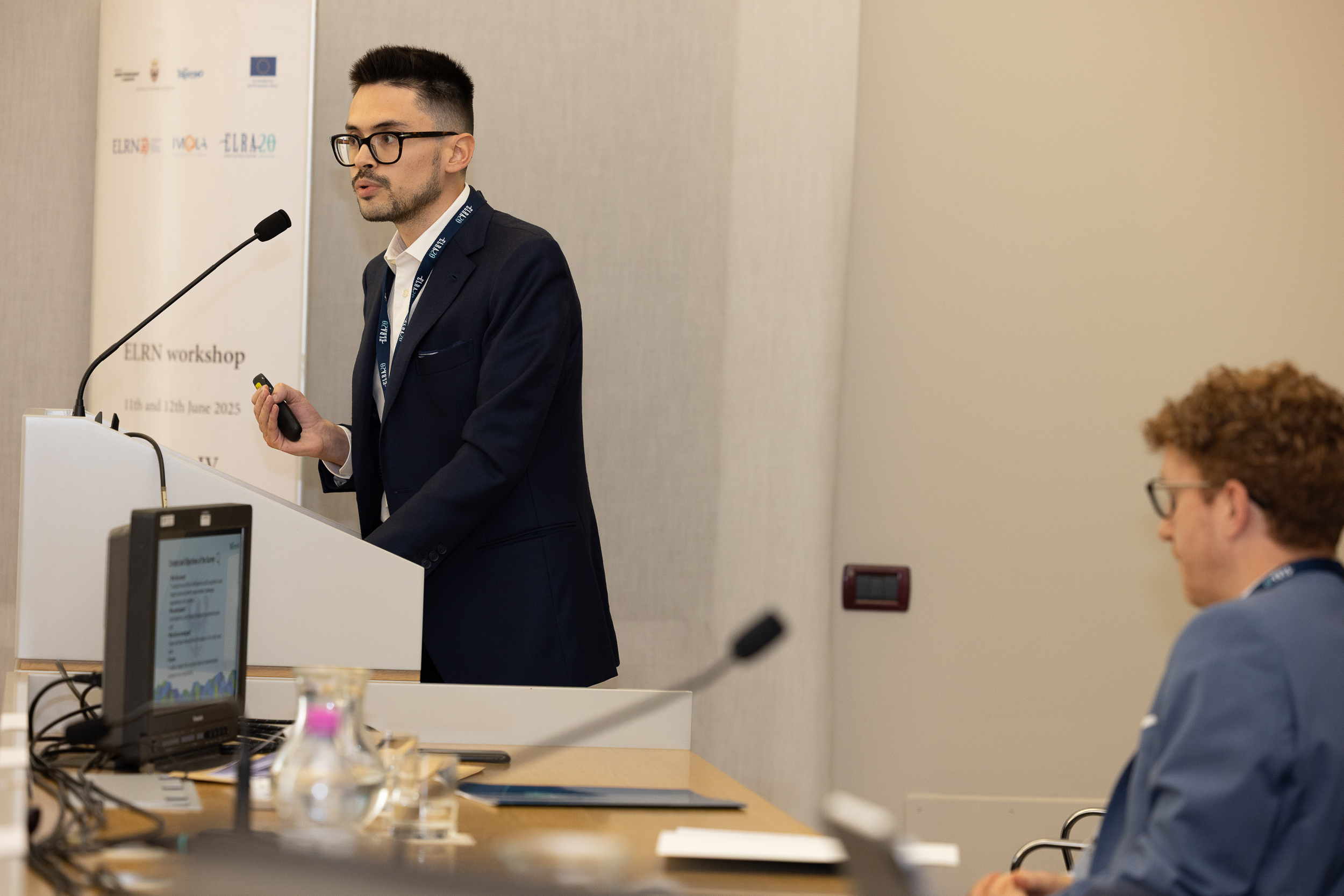
The afternoon sessions focused on artificial intelligence and its practical impact on land registration. Jacques Vos (ELRA Board member) introduced the AI Working Group and also presented the use of videoconferencing for registry-related procedures. Dott. Eng. Mohammed Kussai Shahin (General Director, Trentino Digitale) then explored the role of AI technologies in modernising land registries, while Lorenzo Marcolla and Alessandro de Gaetano (Servizio Libro Fondiario e Catasto) shared their insights into the application of artificial intelligence in land registration processes.
Day 2 resumed with Mihai Taus’ opening remarks and a presentation by Māris Kumerdanks (Latvia) on the conclusions of the study into property rights of foreign nationals. Luisa Clode (ELRA former President) then shared findings from the ELRA questionnaire on voluntary measures for protecting vulnerable adults.
Elena Prada followed with an overview of personal data protection challenges for land registries. The morning continued with Judge Marta Rekawek-Pachwicewicz, Coordinator for International Cooperation at the District Court in Białystok, who reported on the European Commission Working Group on Succession. She was followed by Mihai Taus, ELRA President, who outlined the national requirements for the European Certificate of Succession (ECS) and highlighted ELRA’s ongoing study mapping national measures for the registration of the ECS across Member States. Judge Michele Cuccaro (Rovereto Court) rounded off the session by examining the role of usucapion across different jurisdictions.
The workshop concluded with closing remarks by Mihai Taus, thanking all speakers and participants for their active engagement and contributions to the success of this international exchange.
- Land Registry Systems and the Italian Transcription System by Prof. Rusconi
- What would a cross-border divorce be registered in the land register? by Francisco J. Gimeno
- Presentation of the Digitalisation of Judicial cooperation in civil matters by Haldi Koit
- Presentation of the AI Working group by Jacques Vos
- AI technologies for Land Registry by Dott. Eng. Mohammed Kussai Shahin
- Artificial Intelligence in Land Registration by Lorenzo Marcolla and Alessandro de Gaetano
- The use of videoconferencing for registry-related procedures by Jacques Vos
- Study on the Property of Foreigner’s Challenges: Summary of the CPs contributions and conclusions by Māris Kumerdanks
- Cross-Border Protection of Vulnerable Adults: Presentation of the results of the ELRA questionnaire on voluntary measures by Luisa Clode
- Personal Data Protection and Land Registration by Elena Prada
- Implementation of EU Legislation; study on Succession Regulation by Judge Dr. Marta Rekawek-Pachwicewicz and Mihai Taus.
- The role of usucapion in different systems by Judge Michele Cuccaro
Online, 12th of March
The first ELRN Workshop of the year was held online, bringing together 58 contact points and members from across Europe to discuss key topics in land registration.
The Workshop opened with a welcome session by ELRA President, Mihai Taus. The discussions then focused on the implementation of EU instruments, particularly the Succession Regulation (No 650/2012). Mihai Taus and Marta Rekawek (ELRA’s representative in the EC Working Group), presented the ELRA Report on the European Commission’s evaluation of national requirements and the reasons for rejecting applications for the European Certificate of Succession (ECS) registration. This was followed by Enrique Maside (European Affairs Director of CORPME), who provided further insights into procedural, notarial, and registration challenges associated with the Regulation.
The first part of the Workshop concluded with the presentation of the results of the practical case study led by Francisco J. Gimeno (ELRN Coordinator). The case study focused on what a cross-border mortgage would need to be registered in different land registries, sparking an engaging discussion among participants.
Following a short break, the second session opened with a discussion on the cross-border protection of vulnerable adults, presented by Geraldo Rocha Ribeiro (Member in Centro de Estudos Notariais e Registais and assistant of the Law Faculty of Coimbra University). He provided a presentation about the proof of the vulnerable adult’s will, wishes and preferences.
The final segment of the Workshop introduced a new area of study on Artificial Intelligence (AI) and its impact on land registration. Manfred Buric (ELRA Board Member) examined the role of AI in land registries from a judicial perspective, while Jacques Vos (ELRA Board Member) explored whether the future of land administration is heading towards full automation.
The Workshop was moderated by Francisco J. Gimeno, ELRN Coordinator and Secretary General of ELRA. The event concluded with closing remarks from Mihai Taus, who thanked all attendees for their participation and valuable contributions.